
How to Choose a Cold Chain Shipping Box: EPS vs. PU vs. VIP
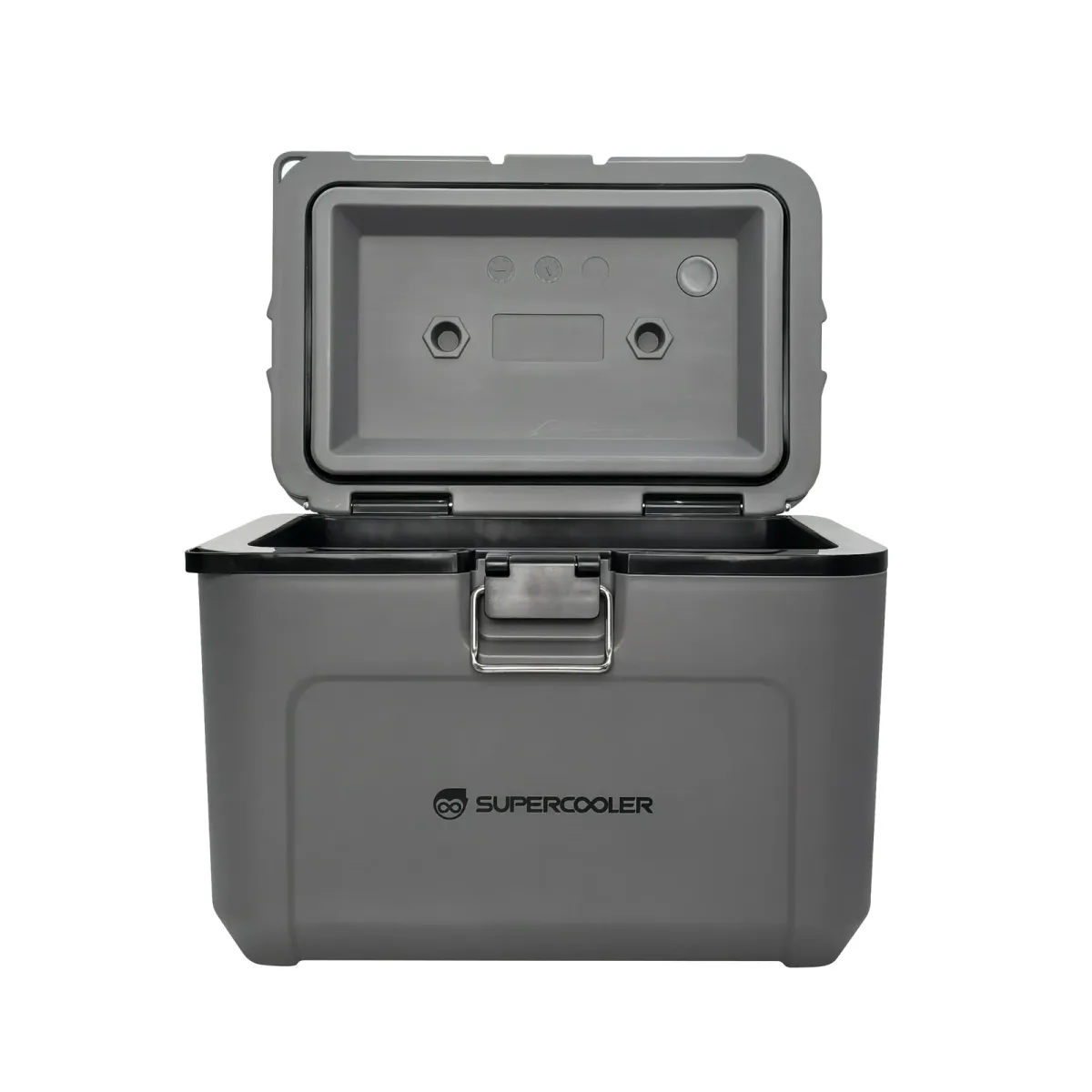
Decision shortcuts
- Lane ≤ 48 h, low product value → EPS box.
- Lane ≤ 72 h, moderate value → PU box.
- Lane 72–120 h, international, or high product value → VIP shipper.
- Recurring lanes → reusable VIP system; cost per shipment drops below single-use foam.
- Always qualify with hot and cold ambient profiles, not average temperatures.
Step 1 — Define the lane, not the box
Start from the shipping lane: door-to-door duration including customs buffer, seasonal ambient extremes, and the excursion budget of the product. A domestic overnight lane and an intercontinental air lane differ by a factor of four in required autonomy, and no single box economically covers both.
Step 2 — Compare the three technology classes
| Property | EPS box | PU box | VIP shipper |
|---|---|---|---|
| Wall conductivity | 33–38 mW/(m·K) | 20–25 mW/(m·K) | ≤ 2.0 mW/(m·K) |
| Typical holding time | 24–48 h | 48–72 h | 96–120 h |
| Wall thickness | 40–60 mm | 40–60 mm | 15–25 mm |
| Payload per external volume | baseline | similar | up to +40% |
| PCM required for equal duration | highest | high | ≈ half of foam |
| Reusability | practically single-use | limited | multi-trip, replaceable parts |
| Unit cost | lowest | medium | highest (lowest per-trip in reuse) |
Step 3 — Size the PCM to the profile
Phase change material does the holding; insulation only slows the drain. Sizing runs against the qualification profile: hot cycle (e.g. peaks at +35…+40 °C) and cold cycle (down to −10…−20 °C, where the risk is freezing, not overheating). Because VIP walls leak 5–10× less heat, a VIP shipper needs roughly half the PCM mass of a foam box for the same duration — which returns part of the panel cost immediately in payload and freight.
Step 4 — Calculate cost per delivered unit, not box price
The box price is the smallest line in the equation. Add freight by dimensional weight, PCM and conditioning labor, failure cost of an excursion, and — for recurring lanes — the number of trips a reusable system amortizes over. On a weekly international pharma lane, a reusable VIP program typically beats single-use foam on total cost within the first quarter.
Frequently asked questions
How do I choose between EPS, PU and VIP shipping boxes?
Match holding time to lane duration plus a safety buffer. EPS covers up to ~48 h at lowest unit cost; PU reaches ~72 h; VIP systems hold 96–120 h and carry more payload per external volume. For international pharma lanes or reusable programs, VIP is usually the lowest total cost per delivered unit.
How much PCM do I need for a 2–8 °C shipment?
As a rule of thumb, PCM mass scales with box surface area, wall conductivity and lane duration. A 50 L VIP shipper typically uses 8–12 kg of +5 °C PCM for a 96 h summer profile — roughly half of what a foam box of equal duration would need, because the VIP walls leak far less heat.
What is an ISTA 7D test profile?
ISTA 7D defines standardized ambient temperature profiles (hot and cold cycles) for testing transport packaging over 24–72+ hours. Qualifying a shipper against 7D-style profiles demonstrates that the payload stays in range across realistic seasonal extremes, and the reports feed into GDP qualification dossiers.
Related: Supertech VIP shipper range ·VIP vs. traditional insulation
Compare product series: EV parcel boxes · VIP pallet shippers.