
Vacuum Insulation Knowledge Hub
Reference articles written by our engineering team — definitions, comparison data and selection guides you can cite in specifications. No marketing fluff; every number comes from production or published test data.
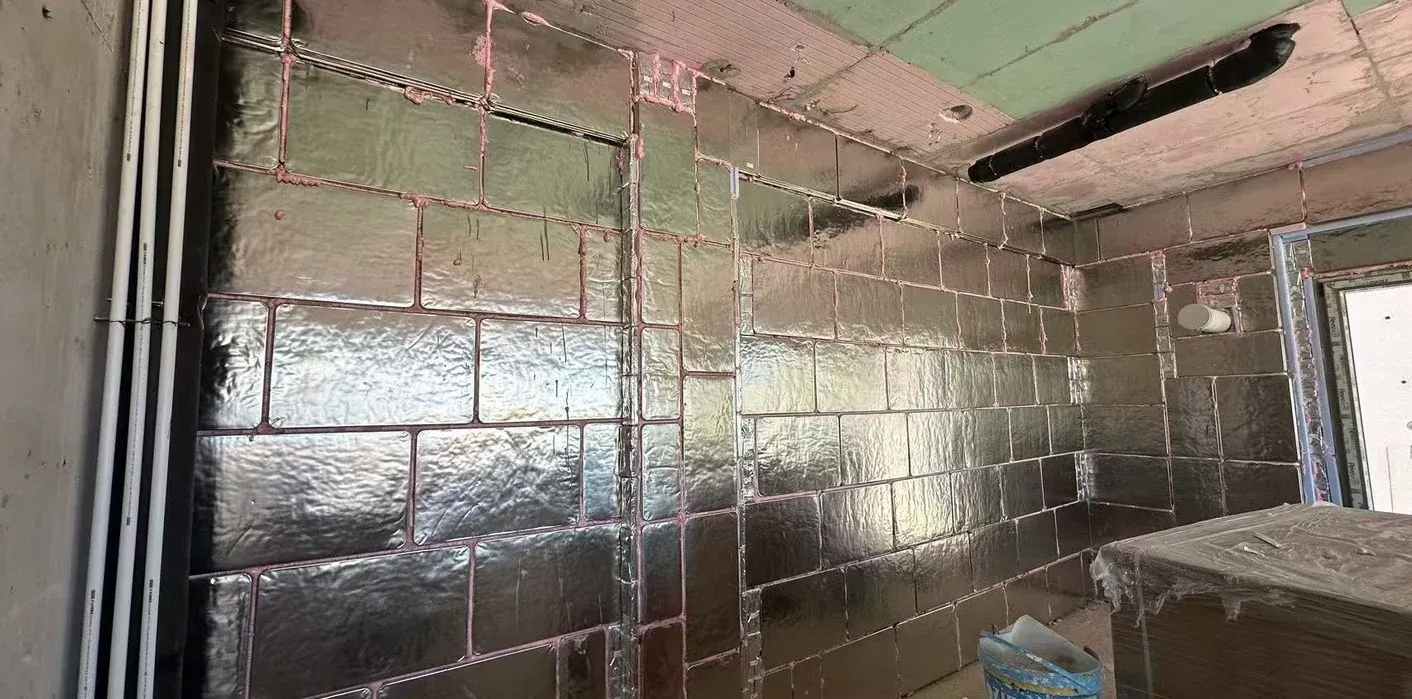
More Room for Architecture: Stainless Steel VIP in Building Insulation
Explore a real 30 mm internal-wall installation, construction photographs and the potential of thin insulation for space-constrained buildings.
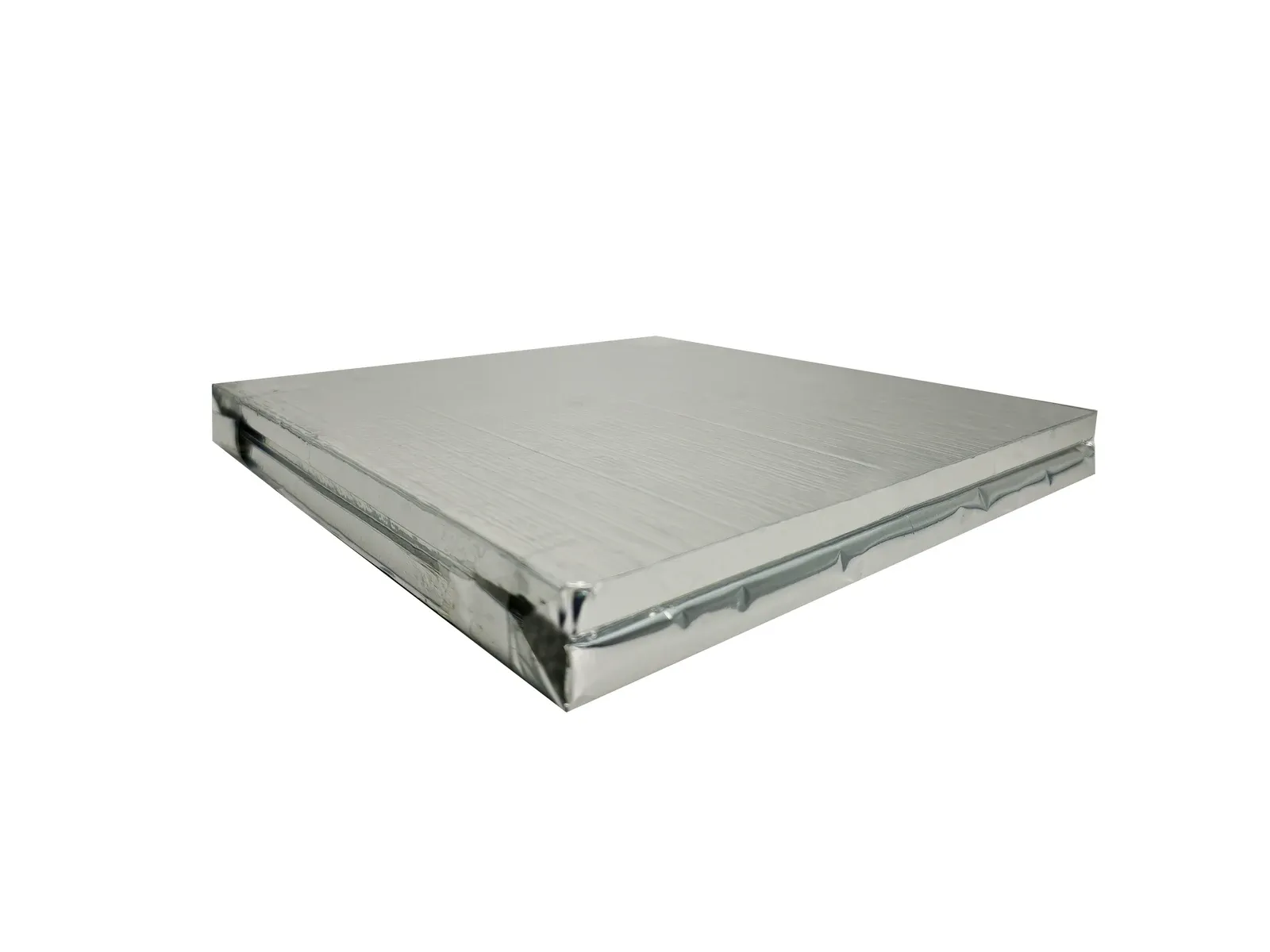
48 Hours or 120? Rethinking Insulation for Pharmaceutical Cold Chains
Compare Fumed Silica and Lightweight VIP against the same holding-time target, finished panel weight, project cost and complete pack-out test.
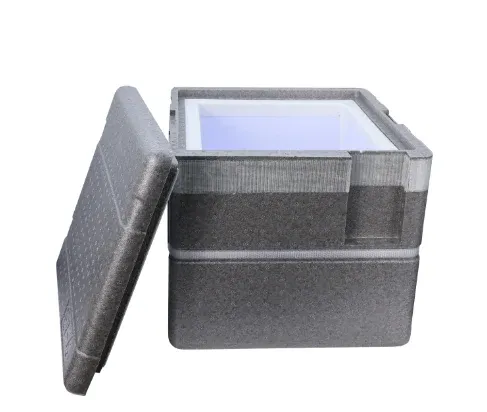
Pharmaceutical Cold Chain Packaging Suppliers: 8 Companies to Explore
Explore passive parcel and pallet packaging suppliers, their official product ranges and the questions to ask before sourcing a standard or custom system.

Vacuum Insulation Panel Manufacturers: 8 Companies to Explore
An alphabetical supplier overview with published product families, official sources and questions to guide your project shortlist.

Metal VIP Insulation for Container Homes: A Design Guide
Plan thinner modular walls without overlooking steel-frame thermal bridges, moisture control, transport constraints and installation checks.
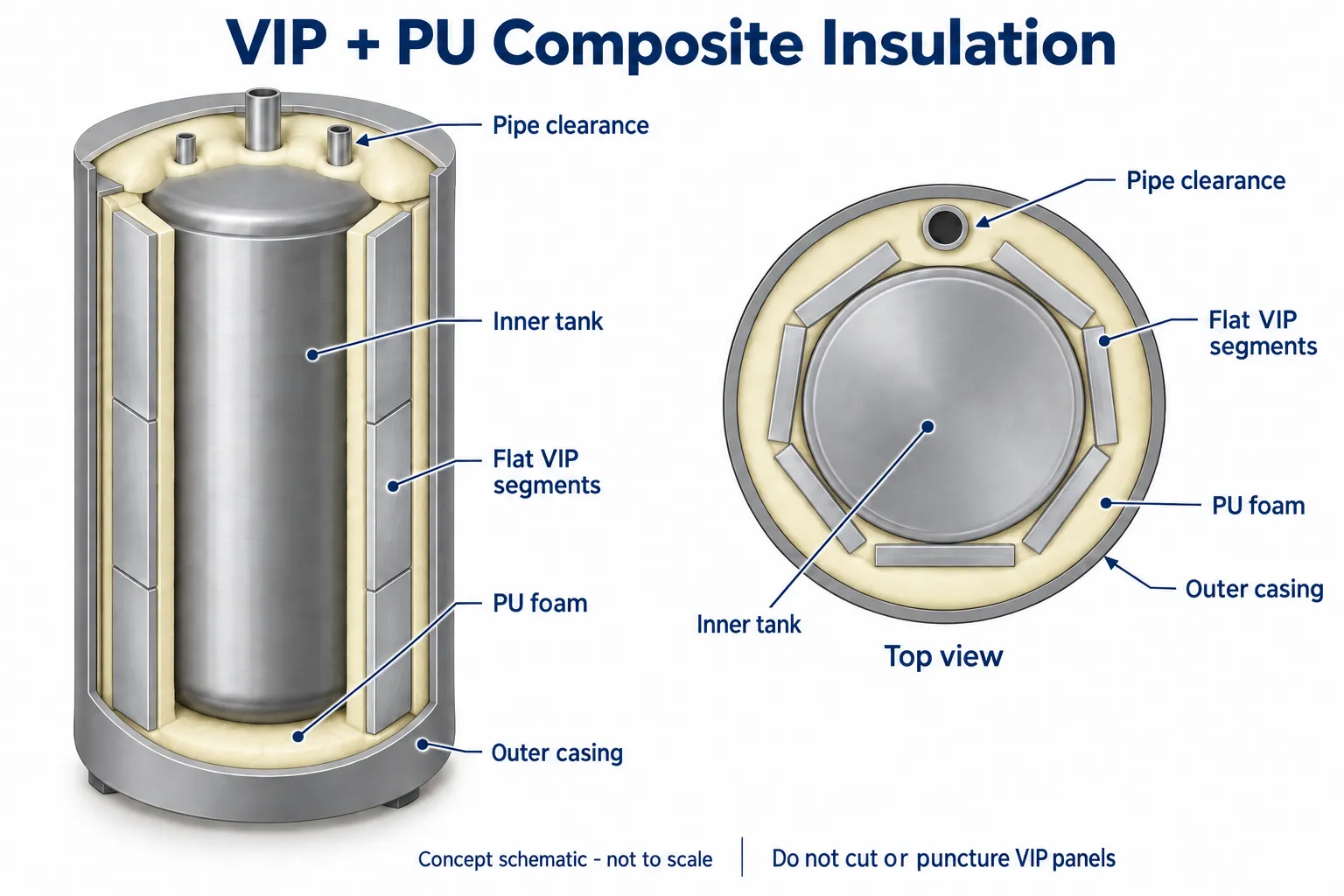
Vacuum Insulation Panels for Heat Pump Water Heaters
Explore segmented VIP + PU tank insulation with an illustrated layout, thermal-bridge checks and a comparable prototype test plan.
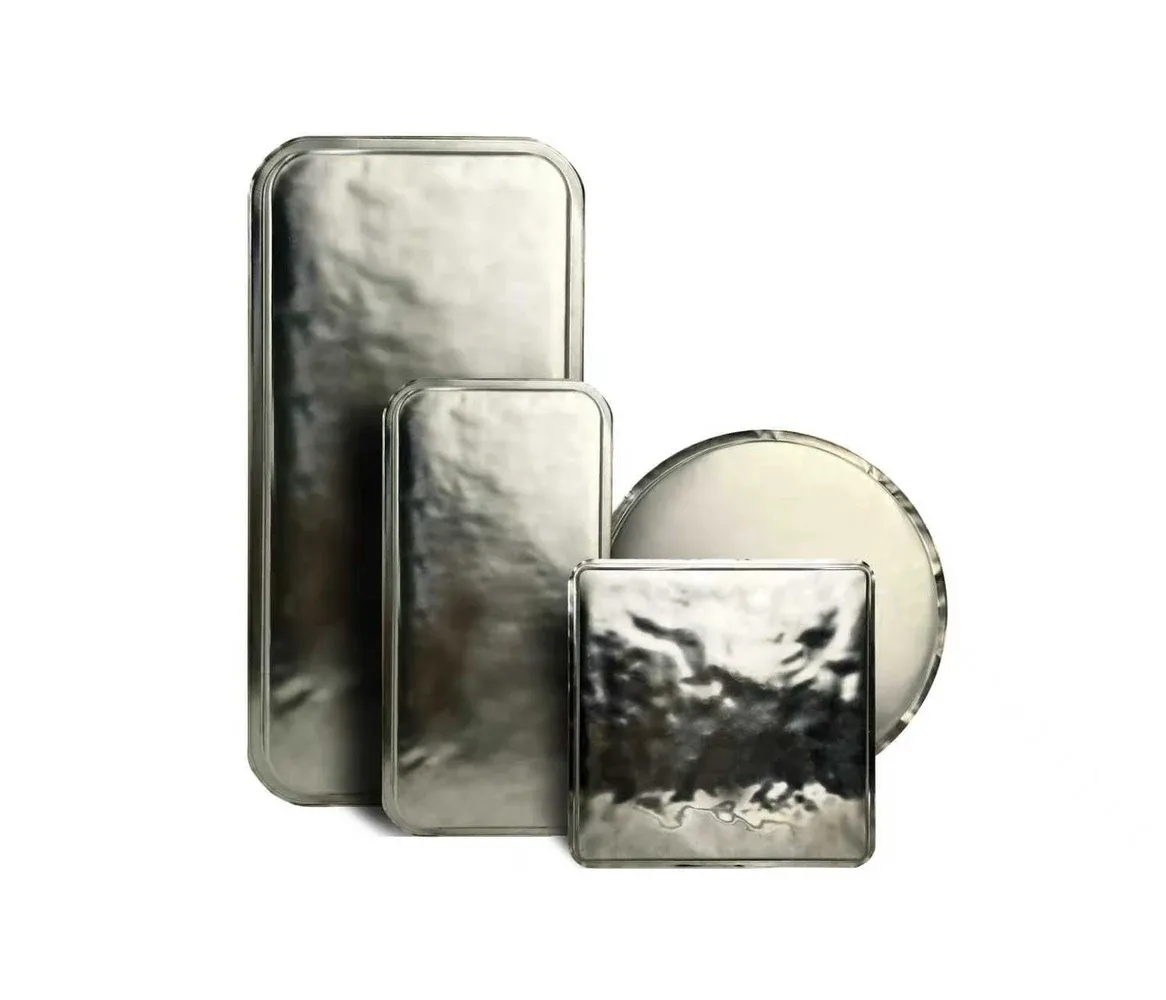
High-Temperature Insulation for Cleanroom Equipment
Qualify metal VIP assemblies for particle containment, chemical emissions, operating-temperature heat loss and thermal-cycle durability.
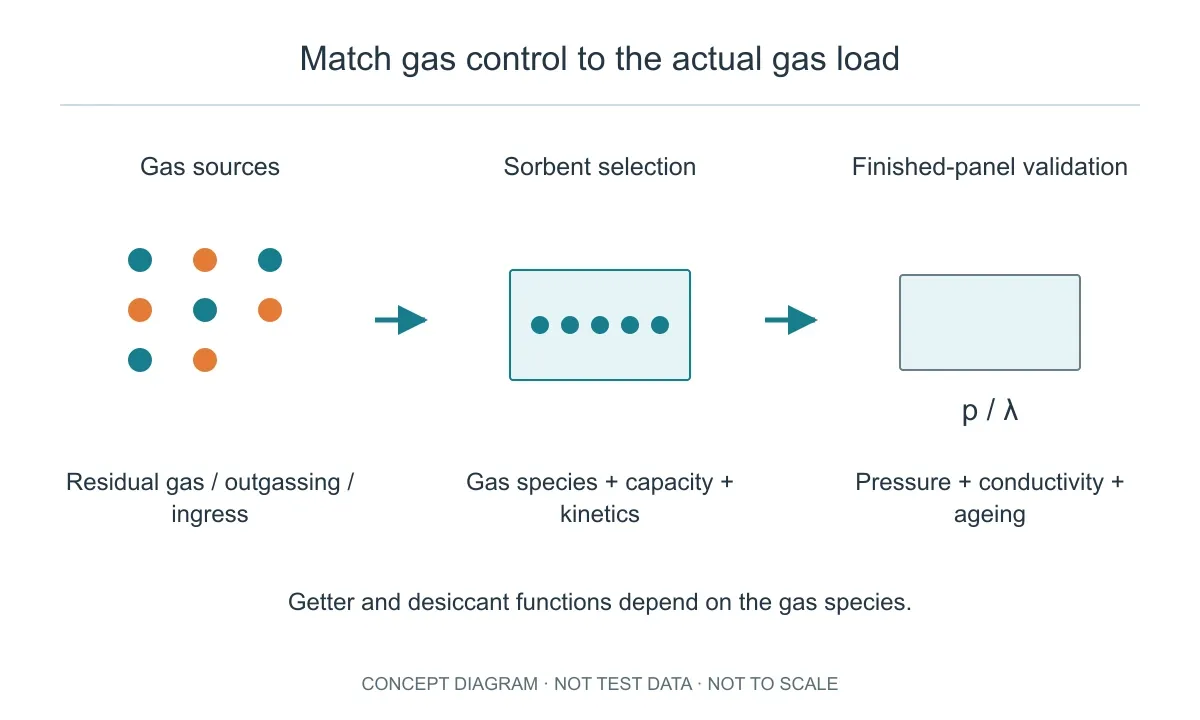
VIP Getters and Desiccants: How to Specify Gas Control
Build a defensible gas budget, match getter chemistry to the actual gas load, and validate the finished panel rather than relying on an ingredient claim.
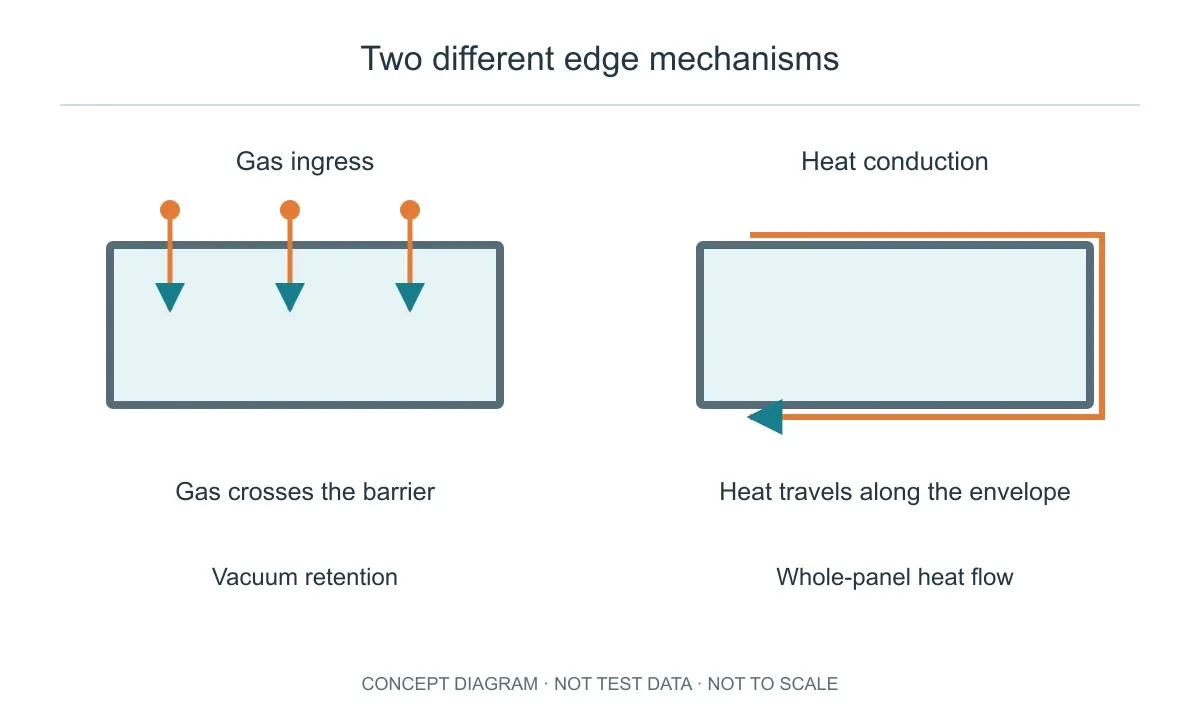
VIP Edge Leakage vs. Edge Thermal Bridges: How to Compare Designs
Separate vacuum-retention failures from conductive edge heat flow, then compare fold-free shells, barrier films and finished-panel evidence fairly.

How to Verify a Vacuum Insulation Panel Lifespan Claim
Why a number of years is incomplete without an end-of-life threshold, service climate, panel geometry, aging data and a transparent prediction model.
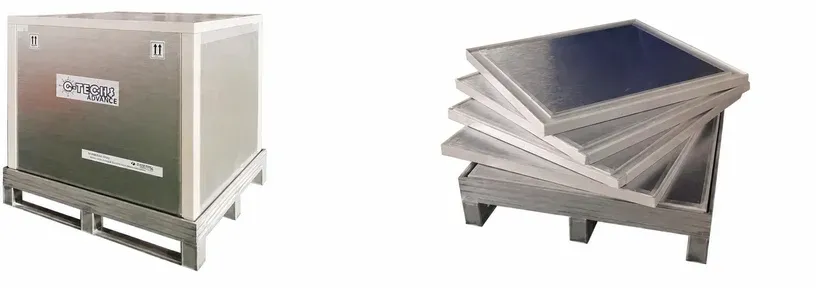
Pharmaceutical Cold-Chain Insulation: Material Selection and Shipper Qualification
How to compare VIP, PU, EPS, XPS and aerogel, then qualify the complete pack-out against product, route and seasonal risk.
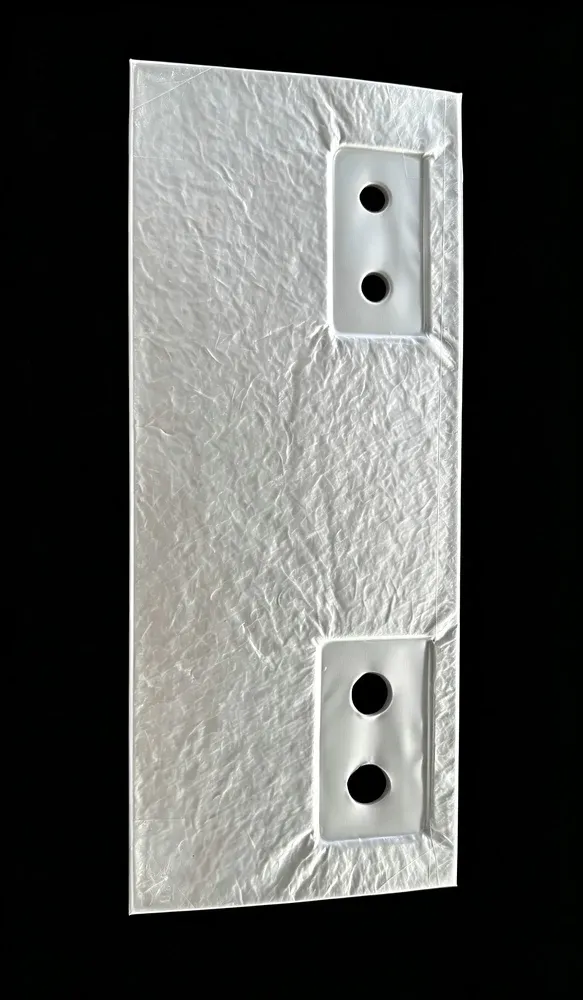
Battery Thermal Management with VIPs: Pack Insulation vs. Thermal-Runaway Barriers
How ultra-thin and metal-envelope VIPs solve two different battery problems — cold-soak heat retention and thermal-runaway propagation delay — with test data and validation checks.
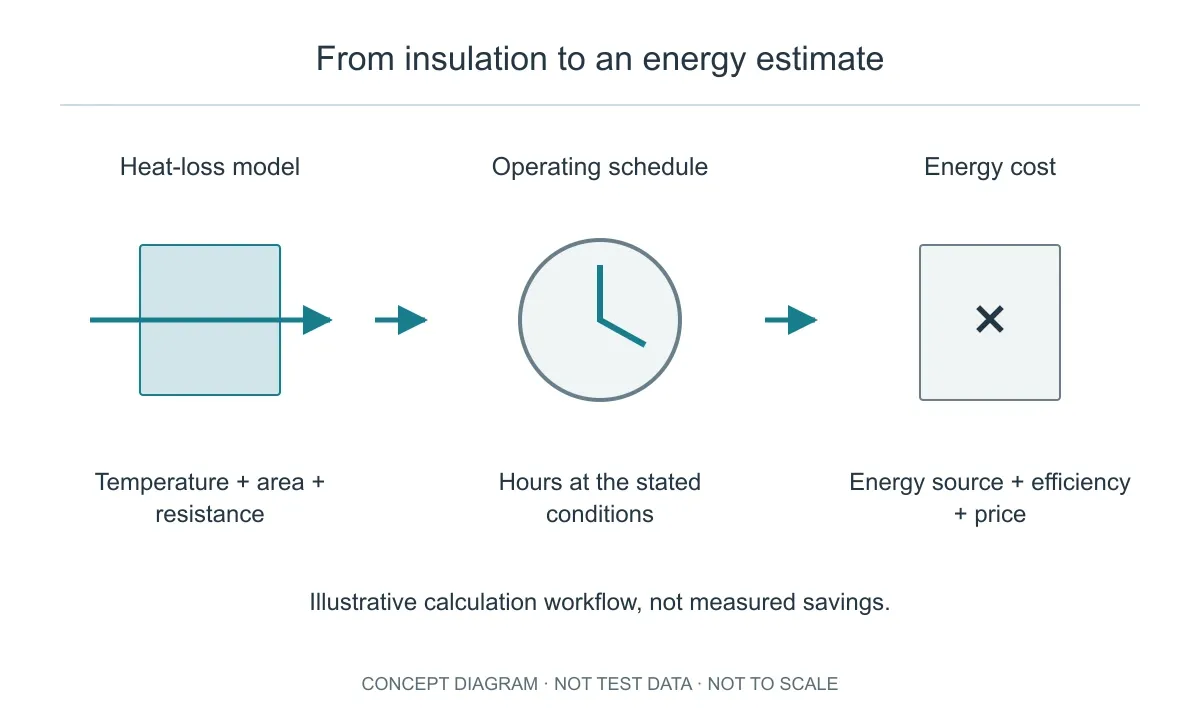
50 mm VIP vs. 150 mm Rock Wool: The Industrial Energy-Saving Math
A worked heat-loss model for hot process equipment: ~85% less heat loss, ≈ $536,000/year saved on a 10,000 m² surface, typical payback 2–3 years.
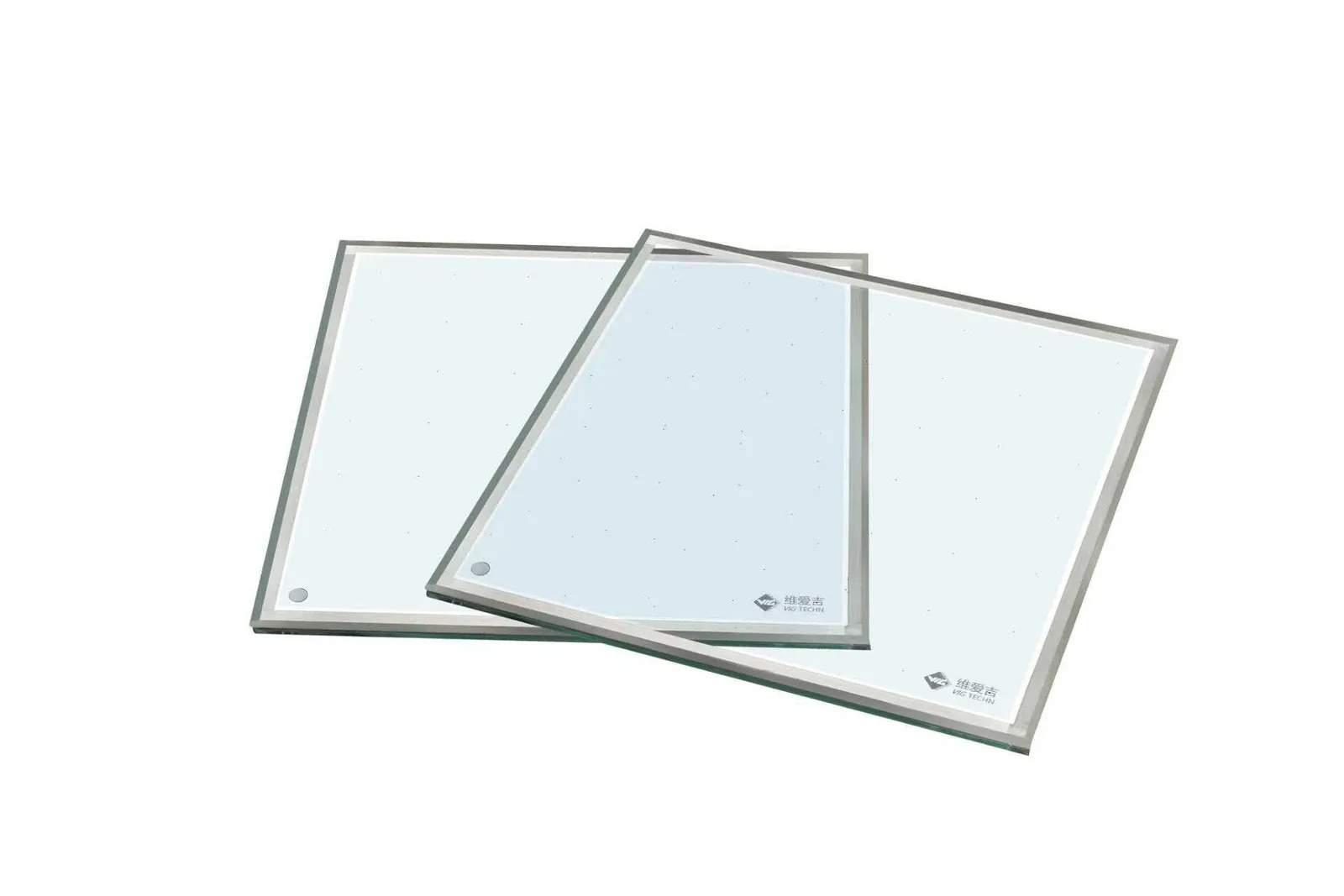
Tempered Vacuum Insulating Glass: How Fully Tempered VIG Works
Why early VIG could not be tempered, how low-temperature edge sealing changed that, and what safety-glass VIG unlocks in doors, facades and freezers.
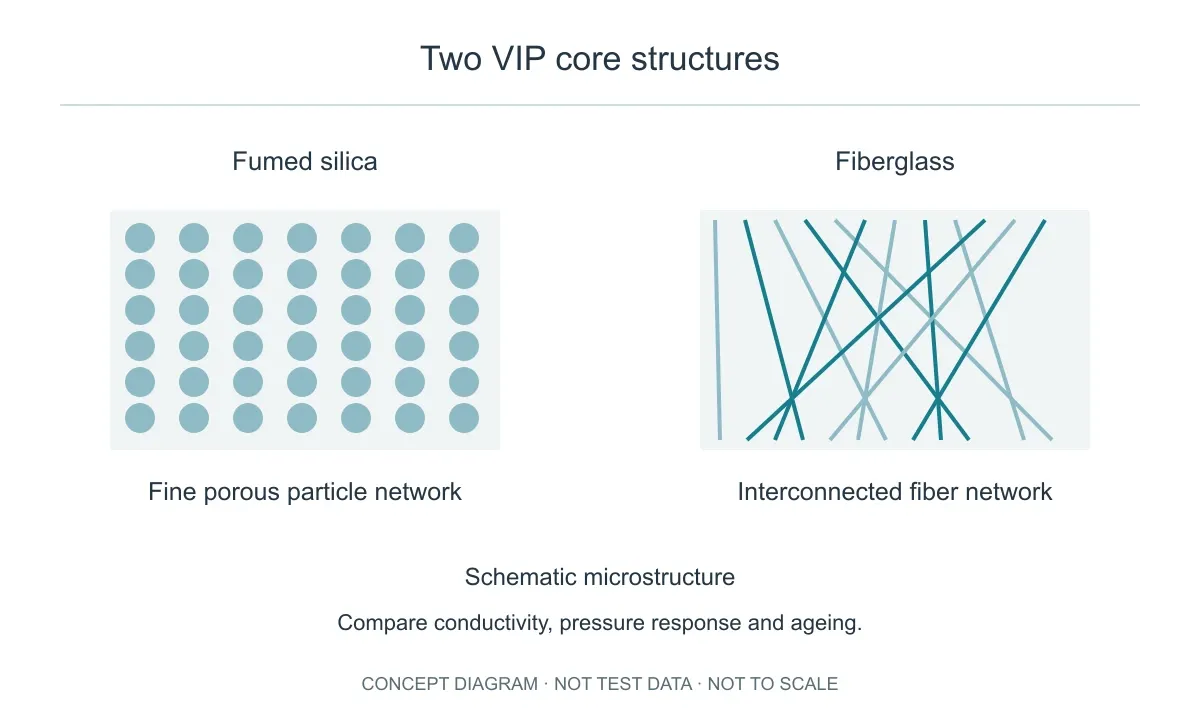
Fumed Silica vs. Fiberglass VIP Cores: Which One Should You Specify?
Initial λ, pressure tolerance, aging and cost of the two dominant VIP core materials — and which one fits appliances, cold chain and construction.
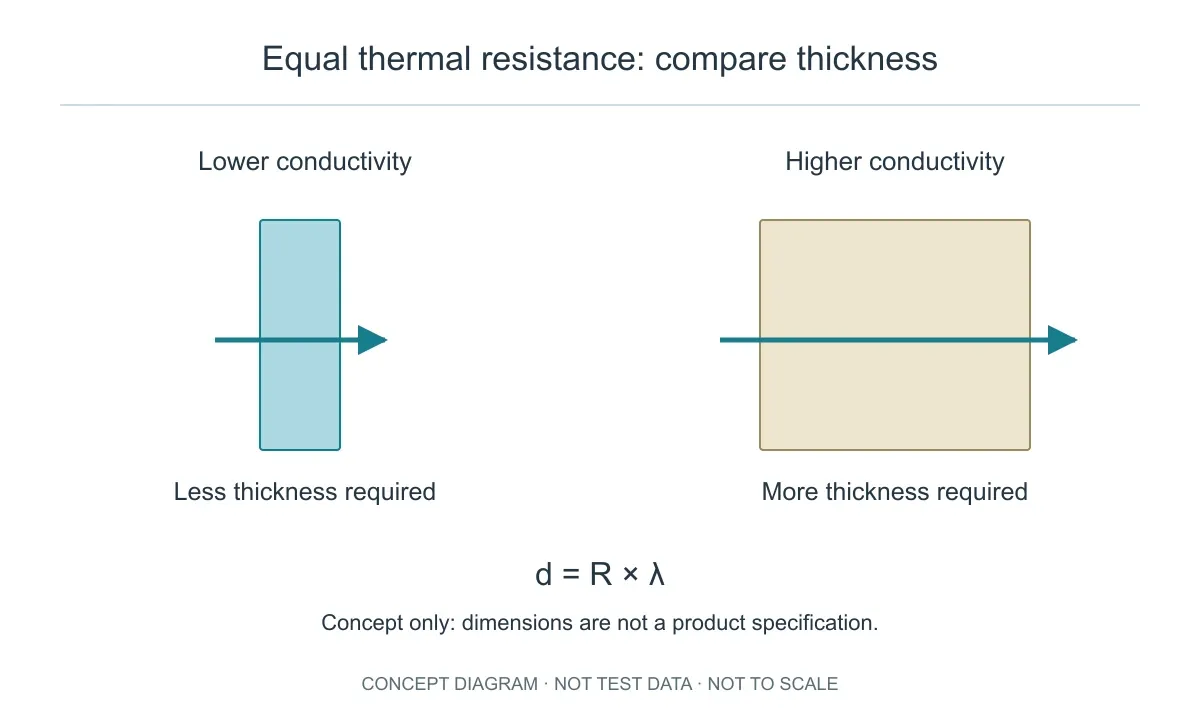
Insulation Thickness, Explained: Same R-Value at 1/10 the Thickness
The d = R × λ math behind the 90% thickness reduction — with the space payback for pipes, cold rooms, retrofits and appliances.
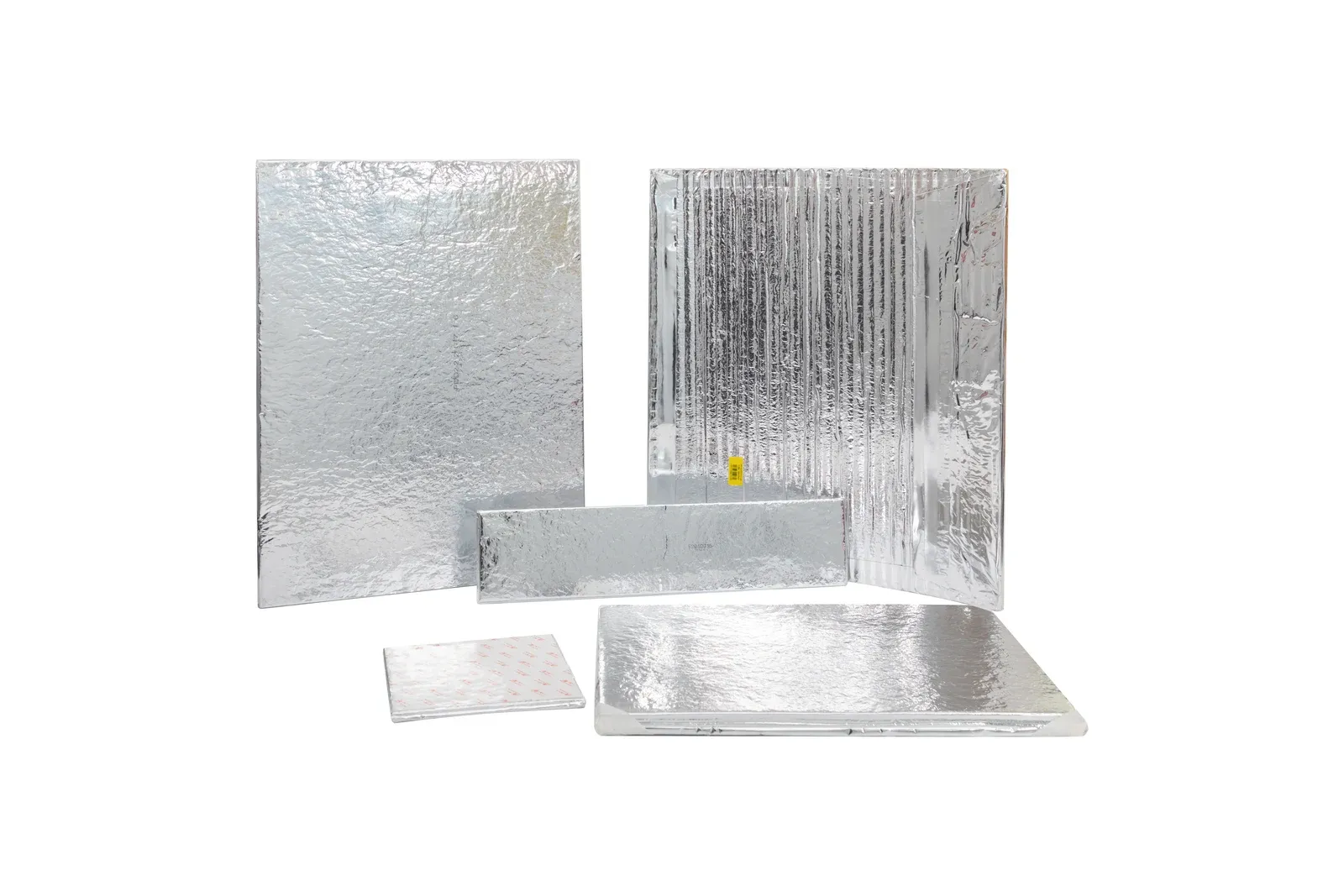
What Is a Vacuum Insulation Panel (VIP)?
Definition, structure, physics and limits of VIPs — the reference explainer, with typical performance data from production.
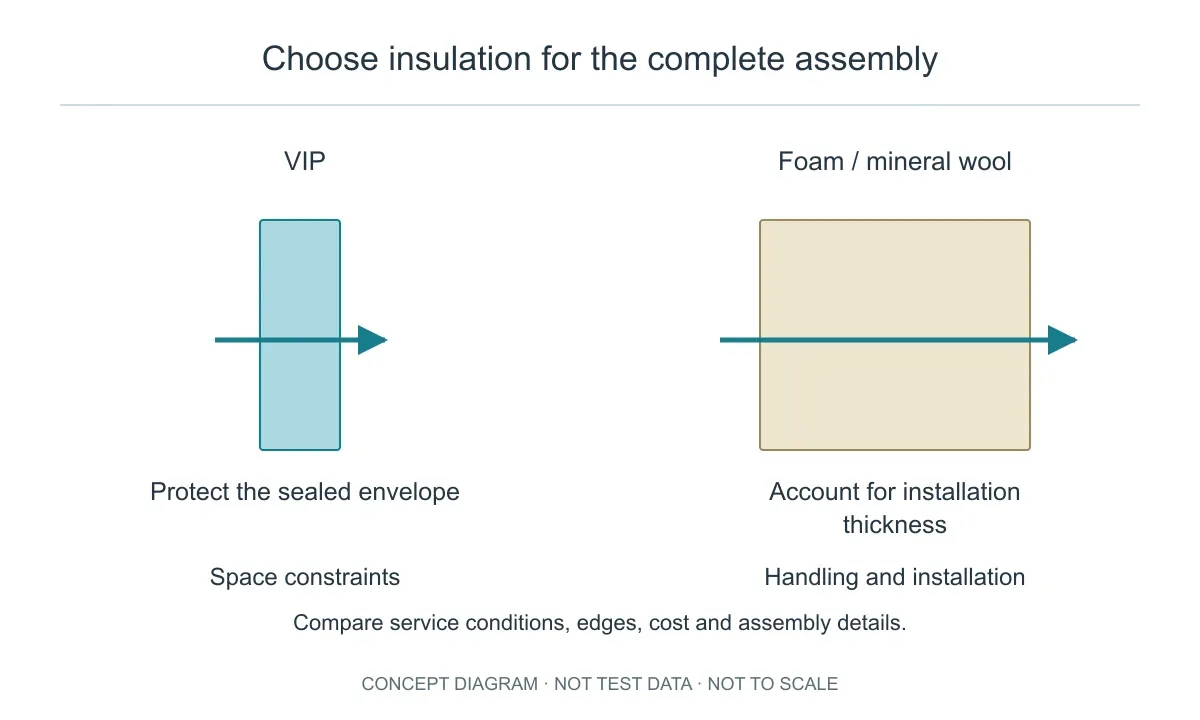
VIP vs. Traditional Insulation: The Numbers
Thermal conductivity and R-value of VIP, PU, XPS, EPS and mineral wool compared — and when each material actually wins.
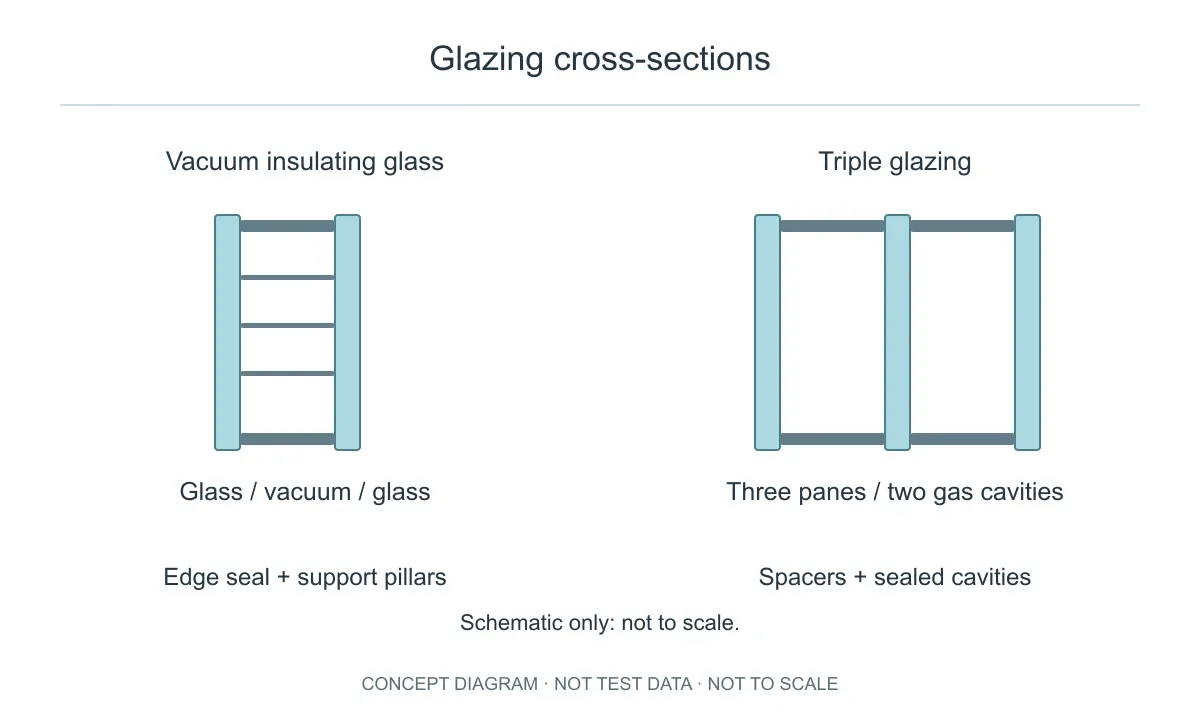
Vacuum Insulating Glass vs. Triple Glazing
U-value, thickness, weight and acoustics side by side: why 8.3 mm of VIG matches 40 mm of triple glazing.
How to Choose a Cold Chain Shipping Box
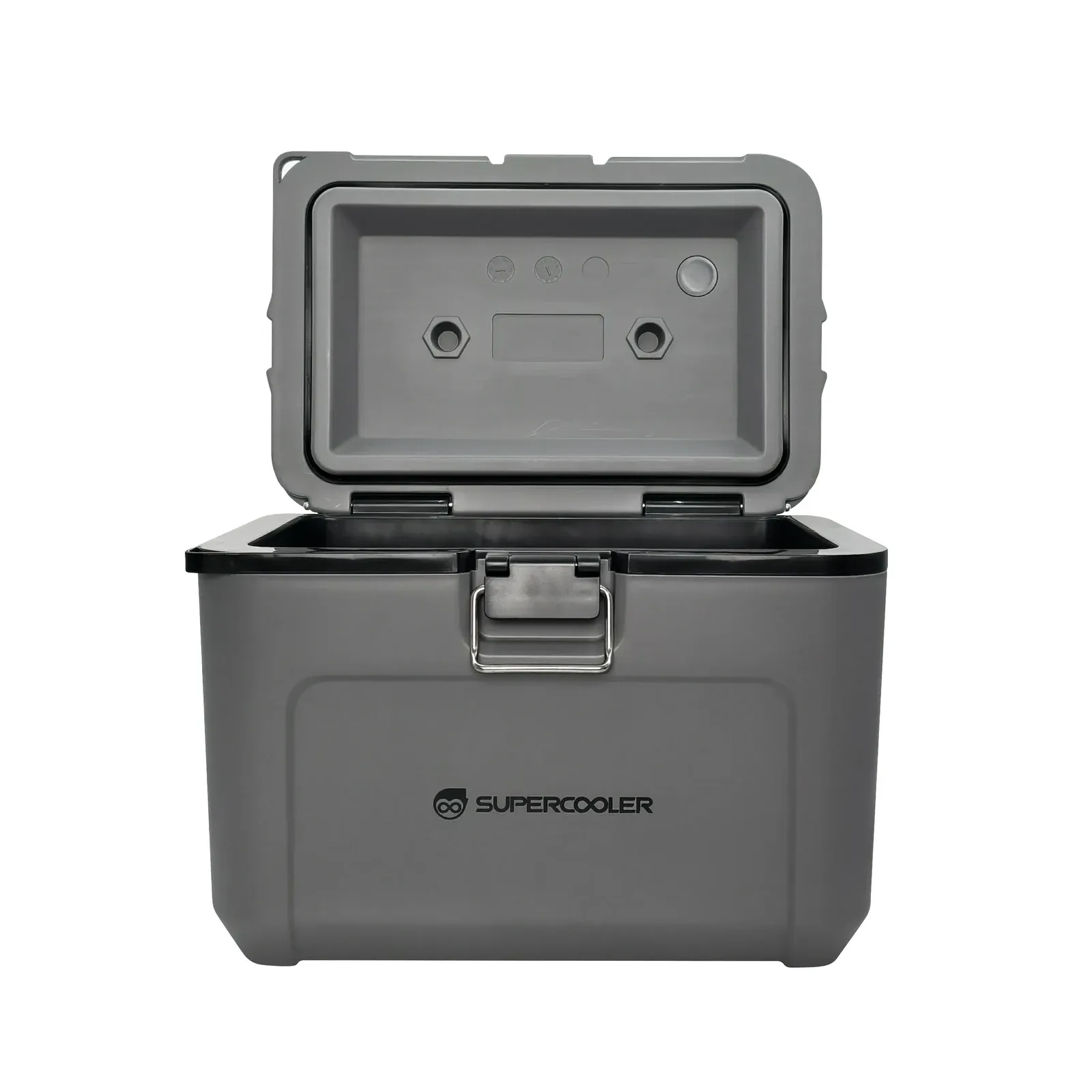
EPS vs. PU vs. VIP shippers: holding time, PCM sizing and total cost per delivered unit — a practical selection guide.