
glasstec 2026 Recap: SuperVIG and Supertech

glasstec 2026 in Dusseldorf closed on 23 October. SuperVIG, together with its parent company Supertech, spent four days at Hall 10 / Stand B85 talking with window makers, glass processors, appliance developers and project buyers. Here is a short recap of what visitors asked about and what we are taking back to the factory.
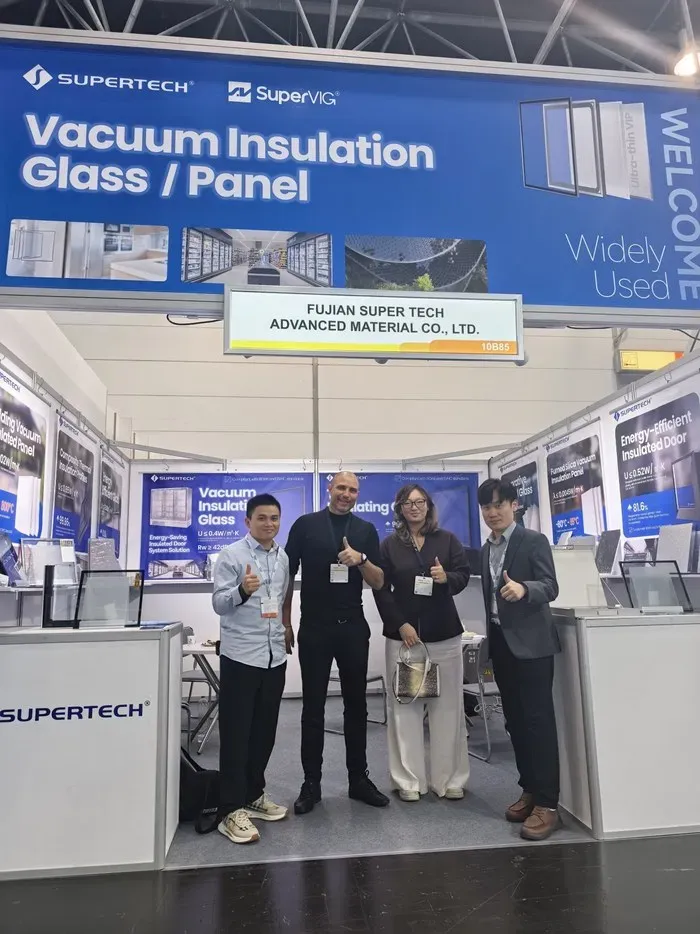
The Supertech and SuperVIG team at Hall 10 / Stand B85.
Touching the glass answered more than a datasheet
The thermal-comparison display was the place where visitors tended to stop. Holding a glass sample and comparing how it handles heat gave people a quicker feel for the topic than a page of specifications could.
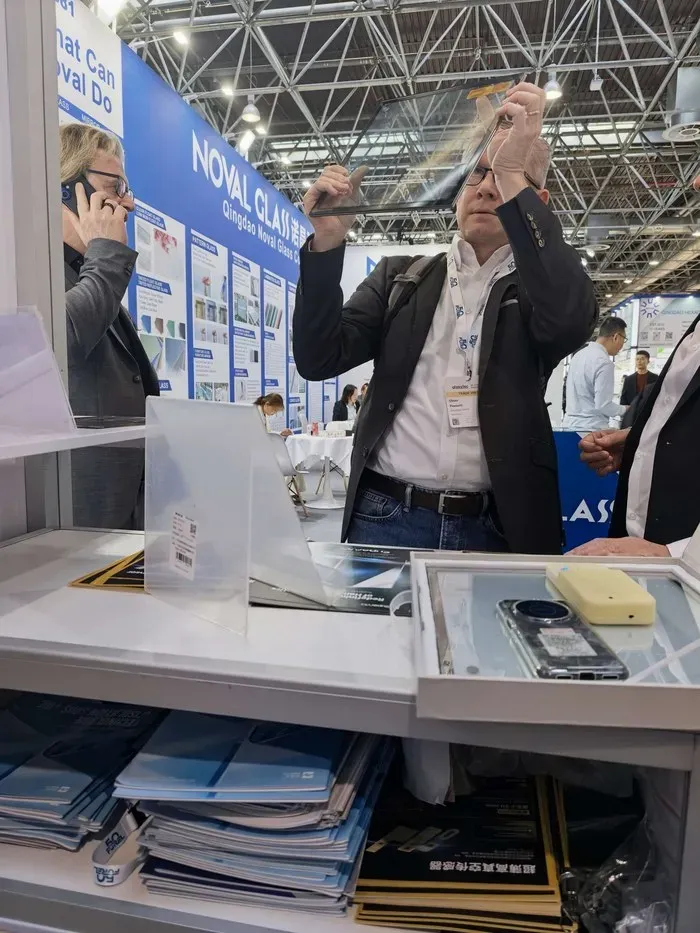
Visitors examined glass samples by hand at the stand.
Conversations about SuperVIG vacuum insulating glass moved quickly from heat transfer to the questions that decide whether a glazing can be used in a real project: sound insulation, window and door configuration, and the requirements of the building. The optional vacuum-monitoring technology on show also prompted questions about how the vacuum state inside a unit can be read.
For our team, the point of exhibiting is to help buyers relate a product to the building and the frame they actually have. Read our vacuum insulating glass overview for the product formats and applications.
The edge of the unit drew as much attention as the centre
Discussion then shifted from the middle of the pane to its perimeter. SuperVIG TPS insulating glass, built with a thermoplastic spacer and a sealing structure, led visitors to ask about heat flow at the edge, how the unit fits different frames, and what that means for a whole window rather than the glass alone.
The vacuum composite insulating glass on display added a further question: how combined glass build-ups should be configured for different thermal, acoustic and thickness needs. The answer depends on the project, and on how the glass works with the window, door or curtain-wall system around it. Bring your frame type, glazing size and performance target, and we can discuss a suitable configuration.
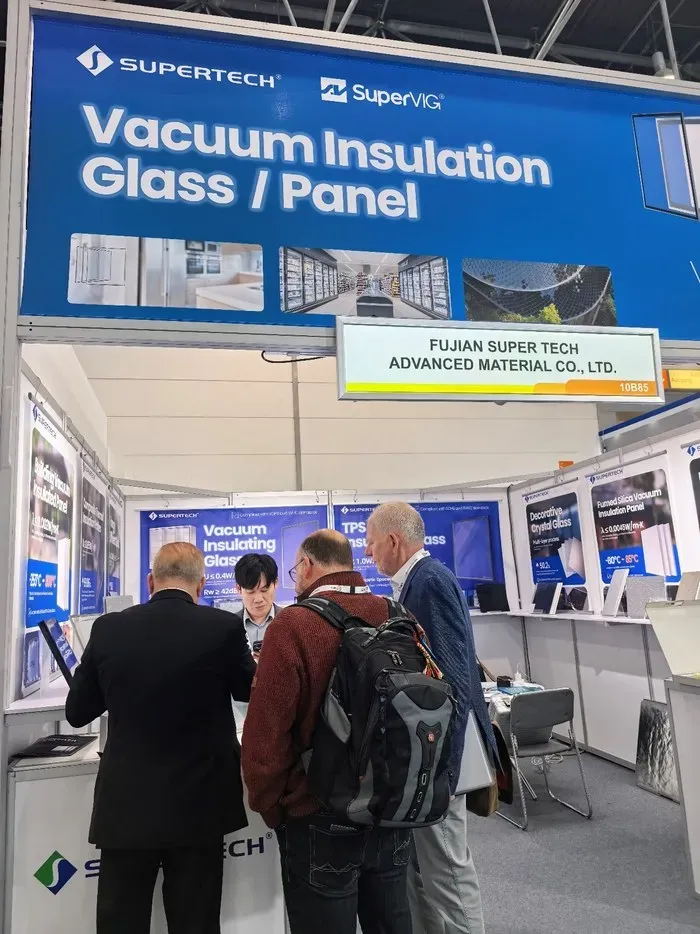
Face-to-face project discussions at the stand.
Colour and finish: where glass becomes appliance design
At the decorative glass area, the questions were about appearance as much as performance. Appliance developers asked how a colour would sit with the rest of a product, how a surface would feel and how it would look in a finished interior.
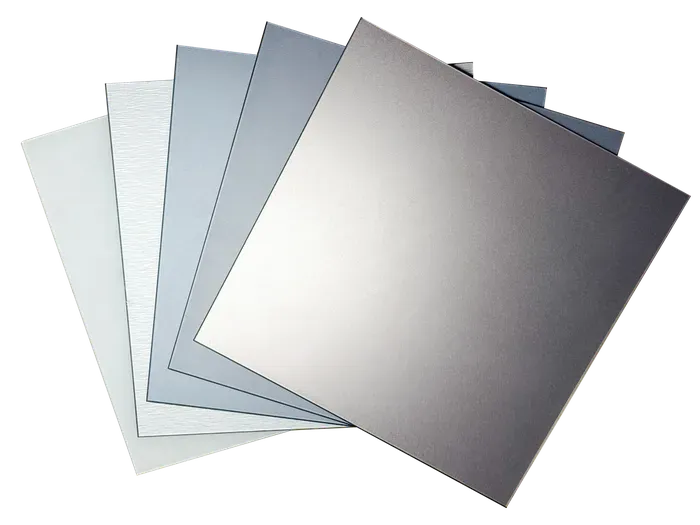
Decorative glass samples used to discuss colour and surface finish.
SuperVIG colour crystal glass gives designers more ways to express an appliance. Talks covered Pantone colour matching, high- and low-temperature screen printing, and how a small sample run moves toward volume production. Cleaning and durability came up as well, because a panel has to keep its look through daily use. A design is only finished once manufacturing and quality control can reproduce it.
What we take from the four days
Two threads ran side by side at the stand: building energy efficiency on one hand and appliance aesthetics on the other. Both ended in the same practical request, which is a clear specification for a specific project.
New contacts got to know SuperVIG, and returning contacts saw new products and possible directions for working together. Backed by Supertech’s experience in vacuum insulation, SuperVIG will keep applying its development, manufacturing and quality-management work to thermal performance, sound insulation, appearance and durability.
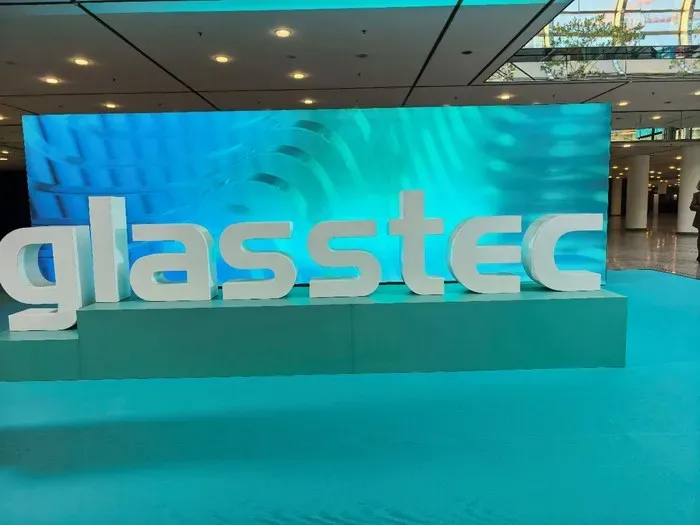
glasstec 2026, Dusseldorf.
Follow up on your project
If we spoke in Dusseldorf, thank you for stopping by. If you could not attend, you can still send your requirements: contact our team with the glass type, size, frame and target performance, or the colour and finish you have in mind.
Earlier in the month we previewed the show in SuperVIG at glasstec 2026: Glass Solutions.
glasstec takes place every two years, and we plan to be back in 2028 to share what we have developed together with customers by then.