
High-Temperature Insulation for Cleanroom Equipment: A Qualification Guide
TL;DR
- A sealed metal VIP can separate its core from the process environment, but enclosure is not proof of zero contamination.
- Particle release and chemical emissions are different qualification questions.
- Compare insulation at the actual operating temperatures, including edges and mounting hardware.
- Agree on cleaning, thermal-cycle and damage-rejection criteria before ordering custom panels.
Start with the equipment, not the insulation label
In precision ovens, heated process modules and cleanroom equipment, insulation selection affects more than energy consumption. Space, temperature stability, contamination control and access for maintenance can all constrain the design. A material that performs well behind a sealed equipment wall may be unsuitable when exposed directly to a sensitive process.
Exposed fibrous or powder-based insulation deserves attention during cutting, installation and servicing. However, conventional insulation is not automatically unsuitable: a properly designed enclosure may control release. The useful comparison is between complete insulation assemblies under the same operating conditions, not between an exposed material and a fully enclosed panel.
What a metal vacuum envelope changes
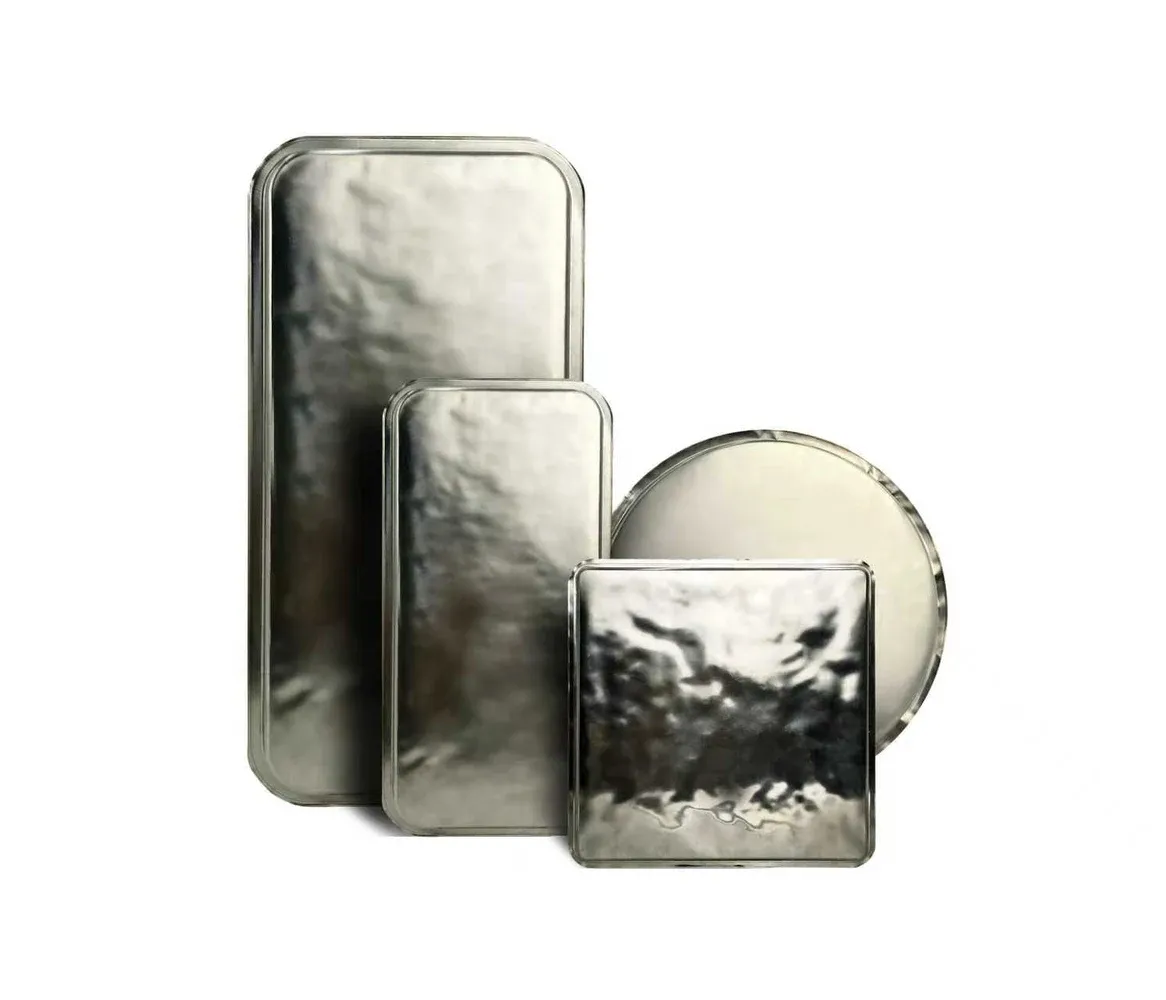
A metal-envelope vacuum insulation panel combines a core with an evacuated, sealed enclosure. An intact shell provides a physical boundary between the core and its surroundings. Its practical value depends on the seams, surface condition, mounting details and how the equipment is cleaned and opened for service.
Specify the final geometry before manufacture. Do not cut or drill the evacuated envelope to make a panel fit: tape over a cut cannot restore the vacuum. Openings and attachment features must be designed with the supplier so they do not compromise that envelope. Protection against rubbing, sharp fasteners and concentrated loads belongs in the equipment drawing.
Four separate questions for qualification
| Question | What to evaluate | Evidence to request |
|---|---|---|
| Particle containment | Surfaces, seams, abrasion and service operations | Representative equipment particle assessment with operating states and sampling conditions |
| Chemical emissions | Residues, adhesives, coatings and exposed assembly materials | Process-relevant airborne chemical assessment, where required |
| Thermal performance | Panel center, edges, joints and fasteners | Temperature-specific specimen results plus installed-assembly heat-loss or surface-temperature measurements |
| Durability | Thermal cycling, cleaning, handling and vacuum retention | Defined conditioning followed by repeat inspection and thermal measurements |
ISO 14644-14:2026 addresses equipment suitability with respect to airborne particle cleanliness. ISO 14644-15:2026 addresses equipment and materials with respect to airborne chemical cleanliness. Neither a room classification nor a stainless-steel material designation replaces the application assessment; these references do not establish the panel's thermal rating.
Ask for thermal data at the temperatures that matter
Vacuum reduces gas conduction, but does not eliminate solid conduction or thermal radiation. Metal seams and brackets create additional heat paths. A low room-temperature conductivity therefore cannot, by itself, establish performance at a much higher operating temperature. Likewise, a maximum-temperature claim does not specify the resulting heat loss.
Request the hot- and cold-side temperatures, mean test temperature, thickness, dimensions, specimen condition, steady-state criterion and measurement uncertainty. ASTM C177 describes guarded-hot-plate measurements of steady-state heat flux through flat specimens; the laboratory must confirm that its apparatus and method are suitable for the proposed specimen and temperature range.
Then test the representative installation. Edge length, panel gaps, metal supports and openings can change the assembly result even when center-of-panel measurements are identical. Our guide to VIP edge leakage and thermal bridges explains why vacuum retention and conductive edge loss need separate evidence.
A practical five-stage acceptance plan
- Define the duty: document continuous and peak temperatures, dwell times, cycles, atmosphere, pressure and the required cold-side surface temperature or heat-loss limit.
- Establish a baseline: record panel identity, dimensions, surface and seam condition, and initial thermal results for the agreed sample set.
- Condition representative assemblies: apply a project-defined thermal-cycle and cleaning program, including relevant installation and maintenance stresses.
- Repeat the checks: compare thermal results, inspect damage and assess particle and chemical cleanliness as required by the process.
- Agree on service rules: define inspection intervals, permitted cleaning, handling restrictions and rejection thresholds. Do not treat accelerated exposure as a service-life guarantee without a justified model.
This is a proposed engineering workflow, not a prescribed ISO test sequence. Set the sample count, exposure severity and acceptance thresholds with the equipment owner and test laboratory. See our VIP service-life verification guide for the distinction between aging observations and a supported lifetime prediction.
Send a qualification brief with the RFQ
Alongside drawings and order quantities, include the operating profile, available thickness, mounting arrangement, thermal targets, cleanliness criteria and cleaning agents. Ask the supplier to identify the exact core, envelope and seal construction covered by its evidence, any gaps requiring project testing, and how changes to that construction will be controlled.
For a high-temperature metal VIP project, send your application brief to our team. Start with the vacuum insulation panel overview, then confirm the proposed high-temperature construction and its supporting data for your equipment rather than applying general-purpose VIP specifications to a different duty.
Frequently asked questions
Are metal vacuum insulation panels automatically cleanroom-compatible?
No. An intact metal envelope can contain the core, but the completed equipment must be assessed for particle release and, where relevant, chemical emissions under representative operating and maintenance conditions. A metal shell alone does not establish suitability for a particular process.
Can a high-temperature VIP be cut or drilled during installation?
Do not cut, drill or puncture the evacuated envelope. Doing so destroys the vacuum; covering the opening with tape does not restore it. Specify final dimensions and supplier-designed mounting details before manufacture.
Can room-temperature conductivity predict high-temperature performance?
Not by itself. Request thermal results with the hot- and cold-side temperatures, specimen geometry, method and uncertainty stated. Then evaluate heat loss through the installed assembly, including metal edges, joints and fasteners.
What should a cleanroom equipment insulation RFQ include?
Include drawings, continuous and peak temperatures, dwell times, thermal cycles, operating atmosphere and pressure, thermal targets, particle and chemical acceptance criteria, cleaning methods and inspection requirements. Ask for evidence for the exact panel construction being offered.
References
- ISO 14644-14:2026: equipment assessment for airborne particle cleanliness.
- ISO 14644-15:2026: equipment and material assessment for airborne chemical cleanliness.
- ASTM C177: guarded-hot-plate thermal measurement method.
- Group source article: background on metal-envelope insulation for precision equipment. This guide develops a separate qualification framework rather than adopting its numerical product claims.