
48 Hours or 120? Rethinking Insulation for Pharmaceutical Cold Chains
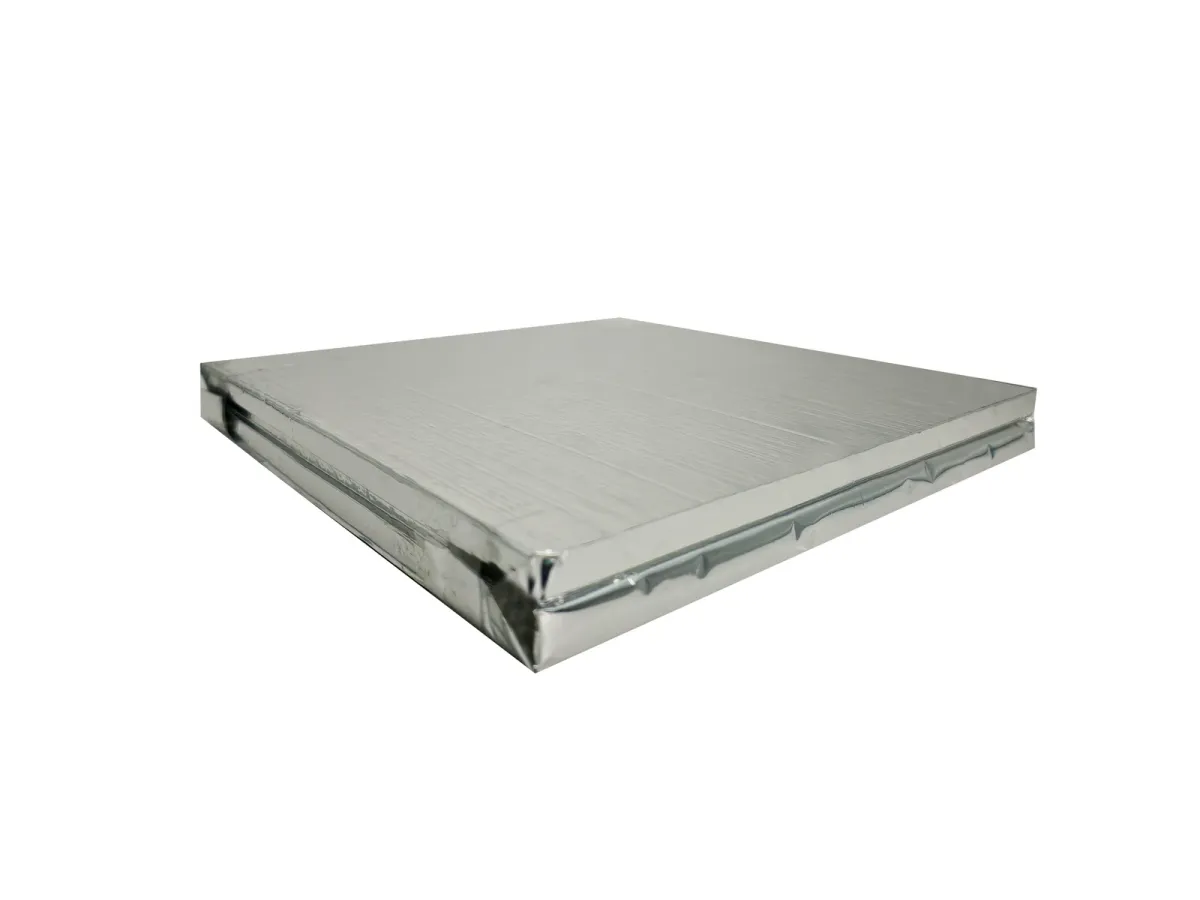
Could your next shipper meet its thermal requirements with less insulation weight and better cost efficiency?
A regional delivery and an international shipment with multiple handovers face different conditions. Their packaging decisions should reflect those differences, from required protection time and temperature range to payload, handling and reuse.
Prepared for the discussions around LogiPharma USA 2026 in Boston, this guide turns that question into a practical comparison for packaging developers and buyers.
The selection in brief
- Define the payload, permitted temperature range, journey duration and delay allowance before selecting insulation.
- Compare Fumed Silica VIP with the appropriate Lightweight VIP configuration, not with an unspecified product-family average.
- Use finished panel mass, a matched quotation and the complete pack-out to assess weight and cost.
- 24–48 and 72–120 hours below are design targets, not panel ratings or verified holding times for a shipping box.
Two options, more flexibility in packaging design
The Supertech portfolio gives packaging developers two options to evaluate: Fumed Silica VIP and our latest Lightweight VIP. The opportunity is to select the option that delivers better value within a packaging system that meets your requirements.
Fumed Silica VIP
Fumed Silica Vacuum Insulation Panels provide an established insulation option for cold-chain packaging. They remain a valuable choice for projects where their thermal characteristics fit the design requirements. Review panel construction, dimensions, conductivity and tolerances alongside the proposed packaging layout.
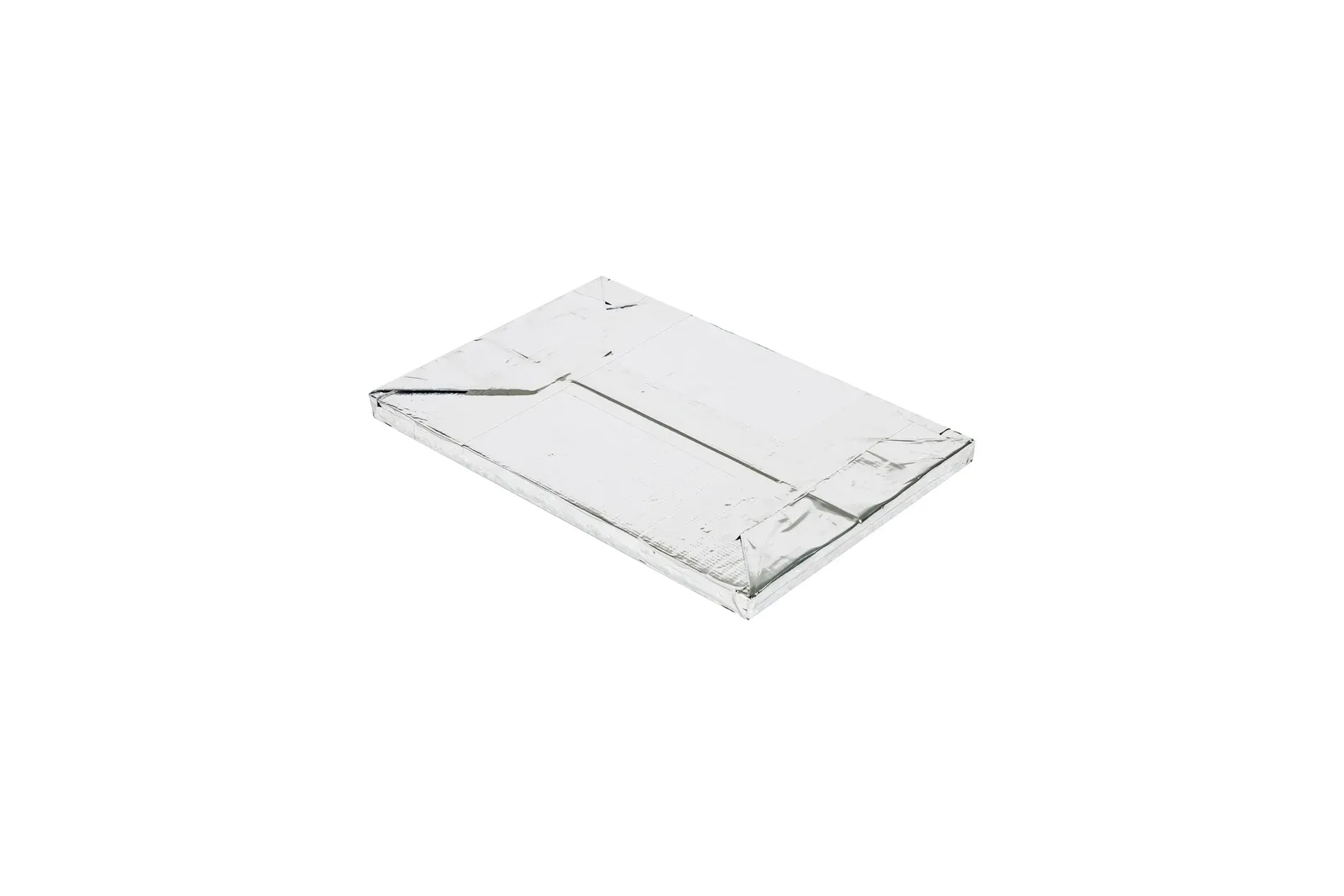
Explore Fumed Silica VIP specifications.
Lightweight VIP
Our latest Lightweight VIP provides a weight- and cost-focused alternative to evaluate alongside fumed silica. For mobile insulated boxes and cold-chain transport, it opens up opportunities to improve cost efficiency where insulation weight and material cost are priorities.
The range includes Zhuoqing and Yunqing, with separate product specifications. Compare the finished panel mass at the required dimensions and thickness, then request a quotation for the selected configuration. A core-density value alone does not establish the weight of a finished panel or a loaded shipper.
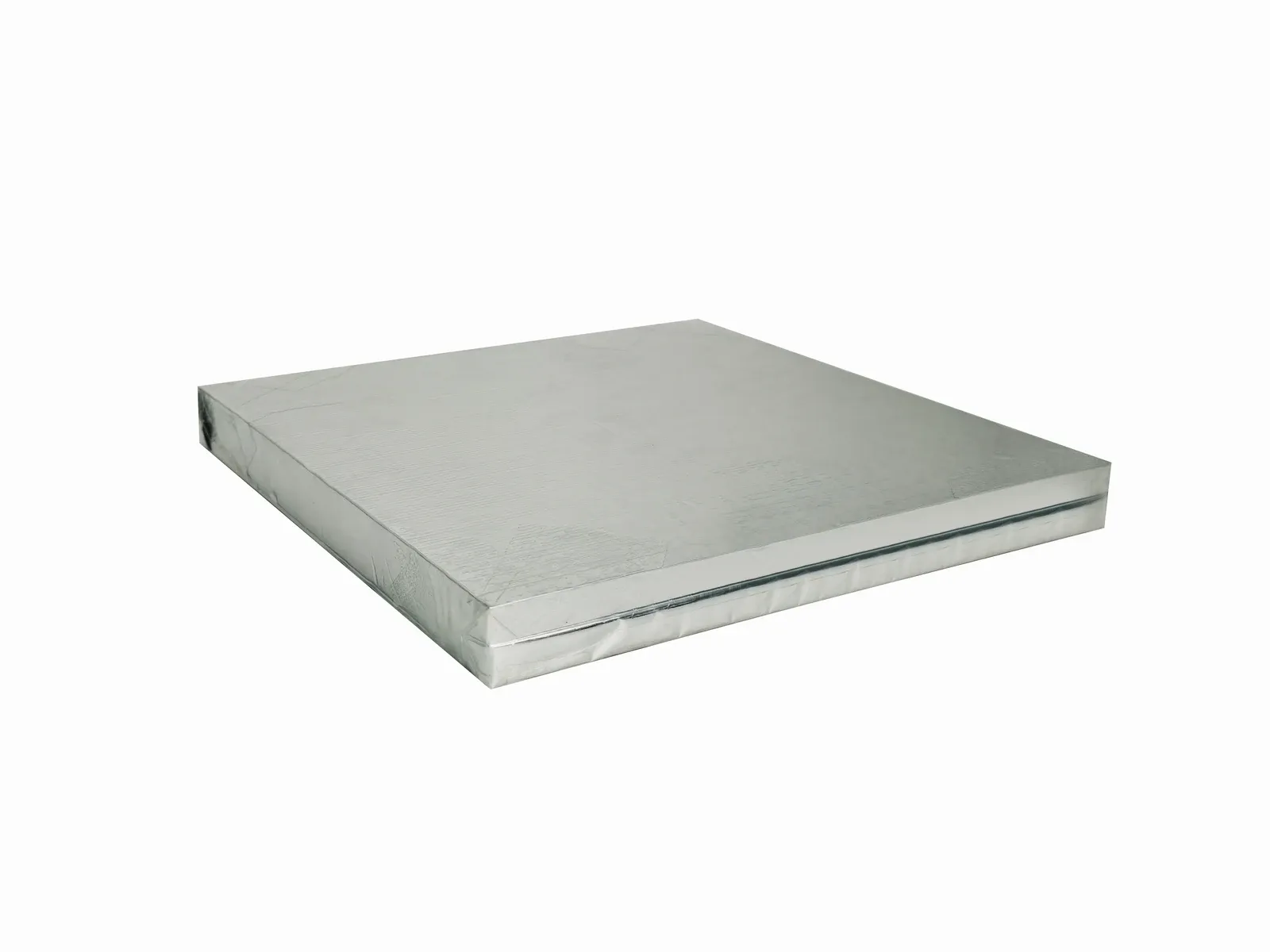
Explore Lightweight VIP configurations. Compare the separate specifications for Zhuoqing / Yunqing.
Start with the journey, then select the insulation
A 24–48-hour target
For a regional distribution route, assess the insulation needed for the expected journey plus an appropriate delay allowance. Lightweight VIP is worth evaluating when reducing packaging weight and material cost is a priority. Start with usable payload space and temperature limits, then compare the insulation and coolant layout around that load.
A 72–120-hour target
For a longer route with multiple handovers, compare both VIP options within the complete packaging design. Insulation thickness, panel joints, coolant configuration, payload and ambient conditions all influence the result. Use the intended transport profile and delay allowance to define the test.
Reusable shippers
Extend the comparison beyond the first purchase: consider handling protection, inspection, return logistics and cost per use. The panel configuration must fit both the thermal design and the way the box will be handled over successive shipments.
Required holding time must be verified for the complete packaging configuration under the intended test conditions. A longer design target does not automatically select one core material.
Build a matched comparison before comparing prices
Use the same project brief for both options. Separate a material comparison from an optimized shipping-system comparison so the source of any benefit remains clear.
Fix the shipping requirement
Use the same permitted product temperature range, usable payload dimensions, load, ambient profile, protection time and acceptance criteria. Include the intended delay allowance.
Compare the panel configurations
For an initial A/B comparison, record the panel dimensions, thickness, sealed-edge geometry, layout and finished mass. Keep coolant type, quantity, conditioning and placement unchanged so changes in insulation can be assessed.
Optimize and test the complete pack-out
If thickness, joints or coolant quantity change, document those changes and test the resulting system again. Record payload or simulant, sensor positions and preparation conditions. Attribute the outcome to the tested configuration, not to the panel name alone.
Compare the commercial result
Request quotations for the same quantities and supply scope. Include refrigerants, preparation, freight and handling; for reuse, include inspection, returns and realistic serviceable trips. Use the actual carrier charging basis: lower mass does not always lower freight if dimensional weight governs.
ISTA describes 7D as a temperature development test and 7E as a thermal transport-packaging standard for parcel delivery. Select a justified method for the intended distribution process; a test name alone does not establish suitability for every pharmaceutical shipment. ISTA test procedures and their scope.
Connect panel selection with the right shipping format
A panel choice is only part of the design. Compare loading space and handling alongside insulation and refrigerants.
- EV-series parcel shipping boxes
- VIP pallet shippers for consolidated loads
- Pharmaceutical cold-chain shipping requirements
- Material selection and shipper qualification
Frequently asked questions
Can a VIP panel guarantee 48 or 120 hours of temperature protection?
No. A panel reduces heat transfer but does not have a standalone shipper holding-time rating. Duration depends on the enclosure, joints, refrigerants, preparation, payload and ambient conditions, and must be verified for the complete pack-out.
Is Lightweight VIP always lighter or cheaper than Fumed Silica VIP?
The Lightweight range is an alternative to evaluate when weight and cost are priorities. Compare the selected configuration at the required dimensions and thickness using finished panel mass and a project quotation. Product-family names or core density alone do not establish a universal weight or price advantage.
What information should I send for a comparison?
Send the required temperature range, holding-time target, usable payload dimensions and mass, expected transport conditions, quantities and whether the shipper is reusable. State whether you need panels, a container or development of a complete pack-out.
Make the next comparison about your application
Whether you develop thermal packaging, manage pharmaceutical logistics or source insulation components, Supertech can discuss Fumed Silica VIP and Lightweight VIP against your project requirements. Share your temperature range, target holding time and payload dimensions; estimates and the information you already have are welcome.
Request a pharmaceutical pack-out assessment.
For component sourcing, use the corresponding panel configuration form: Fumed Silica VIP inquiry / Lightweight VIP inquiry.
Public product pages provide selection specifications. Complete PDF data sheets are available by email request through Technical Resources.