
Refrigeration Resilience: VIP, VIG and Packaging
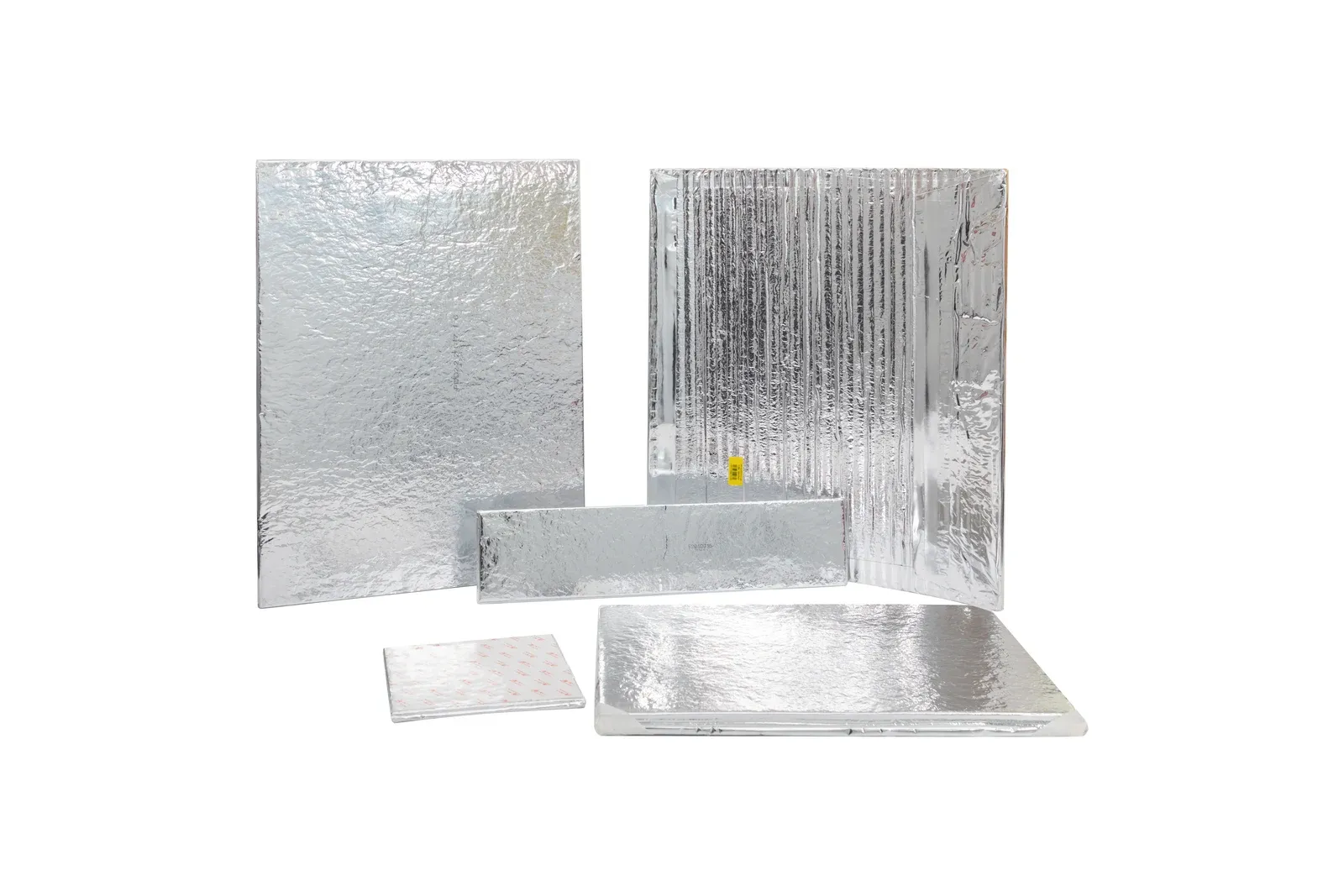
When refrigeration systems fail, why does advanced insulation matter more than ever? Recent reports of cyberattacks on supermarket refrigeration in France bring cold chain resilience into focus.
In a report published on 12 October 2026, Reuters described refrigeration disruptions affecting hundreds of supermarkets in France, including Intermarche and Carrefour. Some units reportedly reached 50°C, with food losses, operational disruption and reported fires. Read the Reuters report via Euronext.
This raises an important question for refrigeration manufacturers and cold chain operators: how can systems remain energy-efficient while being better prepared for unexpected interruptions?
Cybersecurity, reliable temperature controls and effective emergency procedures remain essential. High-performance thermal insulation is a complementary part of the design: it can reduce unwanted heat transfer, but it is not a remedy for a compromised control system.
At Supertech, three application directions connect vacuum insulation technology with these thermal-management requirements.
1. Fiberglass VIP with PUR foam: insulated cabinet walls
Integrating fiberglass vacuum insulation panels with conventional polyurethane (PUR) foam gives refrigeration manufacturers a way to improve cabinet-wall insulation while working within a limited installation space.
The design can address:
- Reduced heat transfer through cabinet walls
- Energy-efficiency targets for the complete cabinet
- Insulation thickness and usable-space requirements
- Potentially slower temperature increases during some cooling interruptions
Panel placement, joints, edge effects and penetrations all influence the finished cabinet. The insulation configuration should therefore be evaluated in the complete equipment, not inferred from a panel’s conductivity alone.
Explore Fiberglass VIP configurations and specifications.
2. Vacuum insulating glass: refrigerated display doors
Transparent doors are another heat-transfer path in refrigerated displays. Vacuum insulating glass (VIG) provides a slim glazing structure that can be evaluated as part of a complete refrigerated-door design.
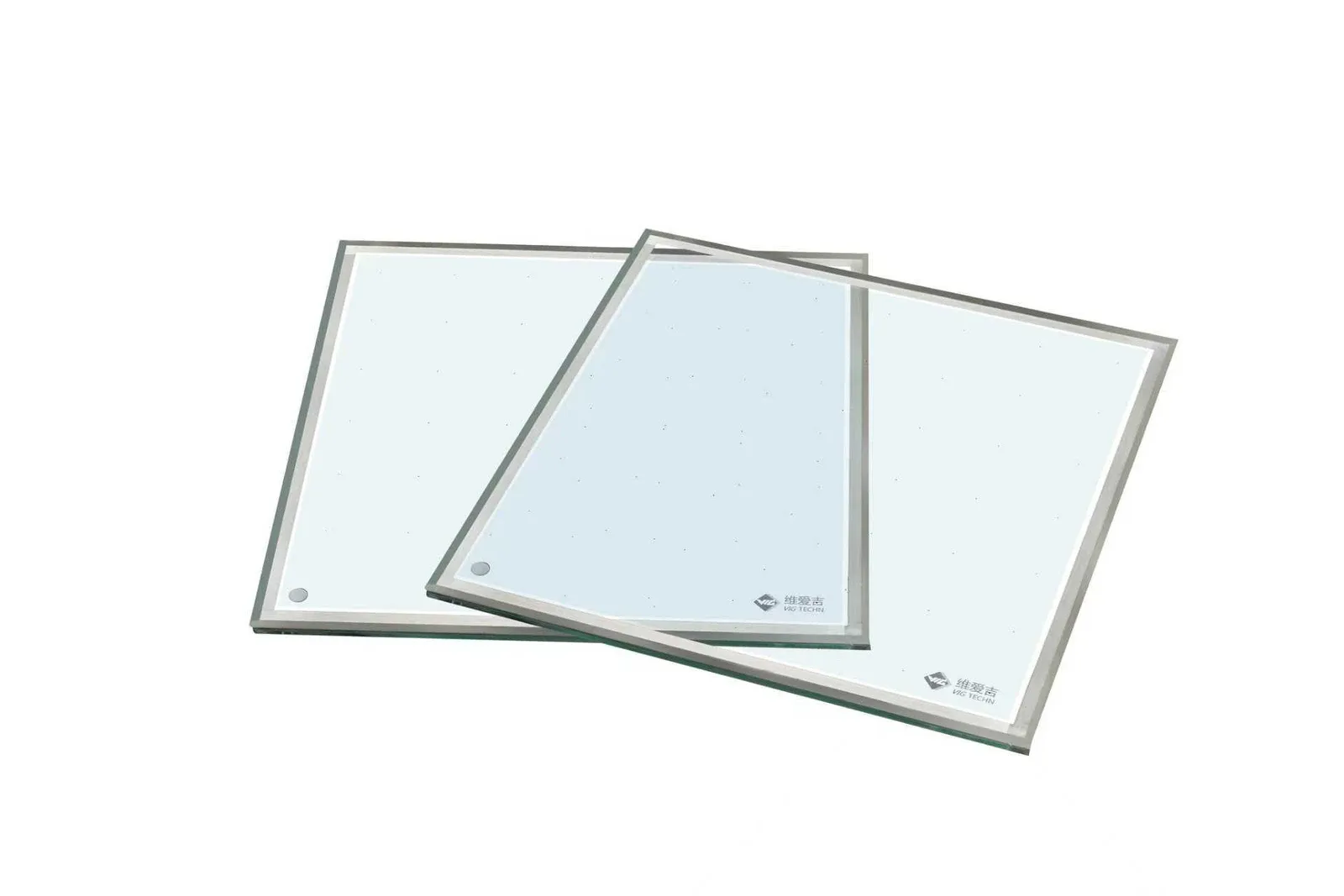
Vacuum insulating glass product units. Refrigerated-door suitability depends on the selected glazing and complete door assembly.
Potential design benefits include:
- Reduced heat transfer through transparent doors
- A slim glazing build-up
- Condensation control under suitable operating conditions
- Potential reduction in anti-condensation heating requirements
- Support for whole-equipment energy-efficiency objectives
Actual results depend on the glass configuration, frame, edge details, heating arrangements and operating conditions. A glazing value is not automatically the performance of the complete door or cabinet.
View our vacuum insulating glass product information.
3. VIP-based packaging with PCM: passive thermal protection
During a cooling interruption, temperature-sensitive goods may need to be transferred to another qualified environment. VIP-based packaging combined with appropriate phase change materials (PCM) provides a passive temperature-control approach without continuous external power.
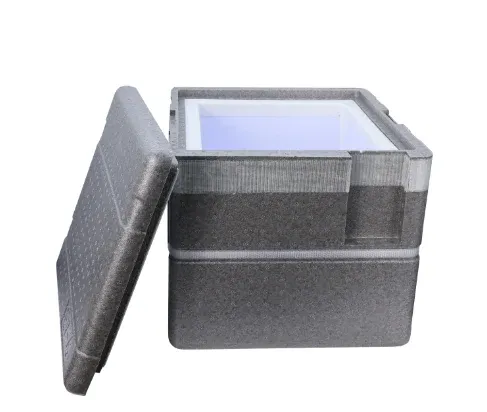
An EV-series insulated shipper. Temperature protection is assessed using the complete packaging and PCM configuration, not the box image alone.
Application discussions can cover:
- Pharmaceutical and healthcare cold chain logistics
- Temperature-sensitive food transport
- Reusable insulated shipping containers
- Emergency transfer and temporary protection of temperature-sensitive products
The required temperature range, payload, duration, ambient profile and PCM conditioning determine the appropriate pack-out. No single holding time applies to every product or emergency scenario.
Explore EV-series shippers, VIP pallet shippers and our pharmaceutical cold chain application.
The bigger picture: a layered approach to cold chain resilience
Advanced insulation cannot prevent cyberattacks or compensate for every refrigeration failure. Its role is to reduce unwanted heat transfer and support thermal stability in appropriately designed systems.
During power outages and cooling interruptions, passive insulation may provide additional response time. Active heating or abnormal defrost conditions require separate evaluation: they are not equivalent to a normal loss of cooling.
Cold chain reliability calls for a layered approach:
Cybersecurity + reliable refrigeration + advanced thermal insulation + emergency preparedness.
Refrigeration manufacturers, packaging developers and cold chain operators can discuss cabinet walls, glass doors and transport packaging as separate design tasks within that broader plan.
Discuss your application
Share your operating temperatures, equipment or packaging dimensions, payload and evaluation requirements. Contact our team to discuss an insulation configuration, or request the relevant technical documents while assessing the published product specifications.