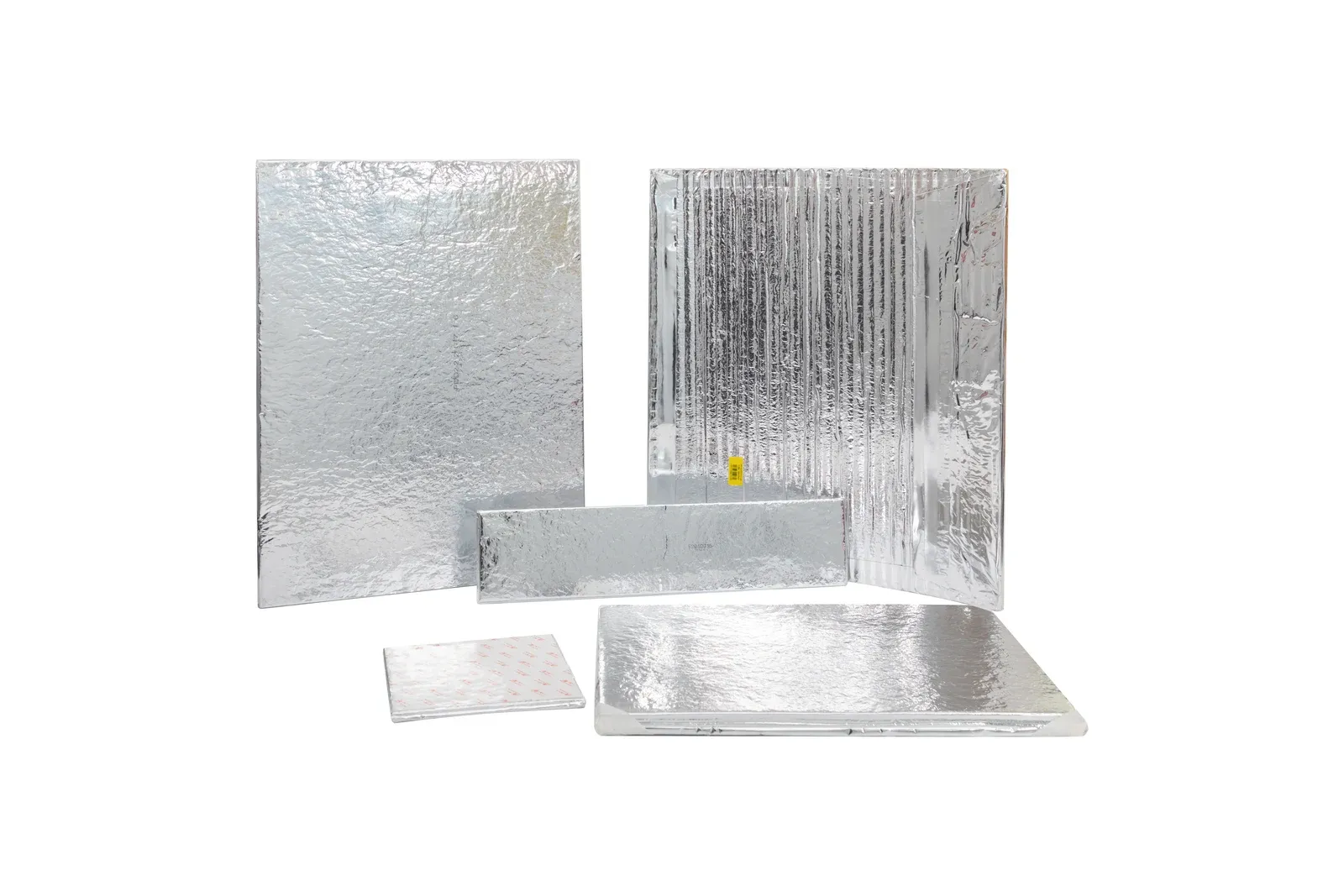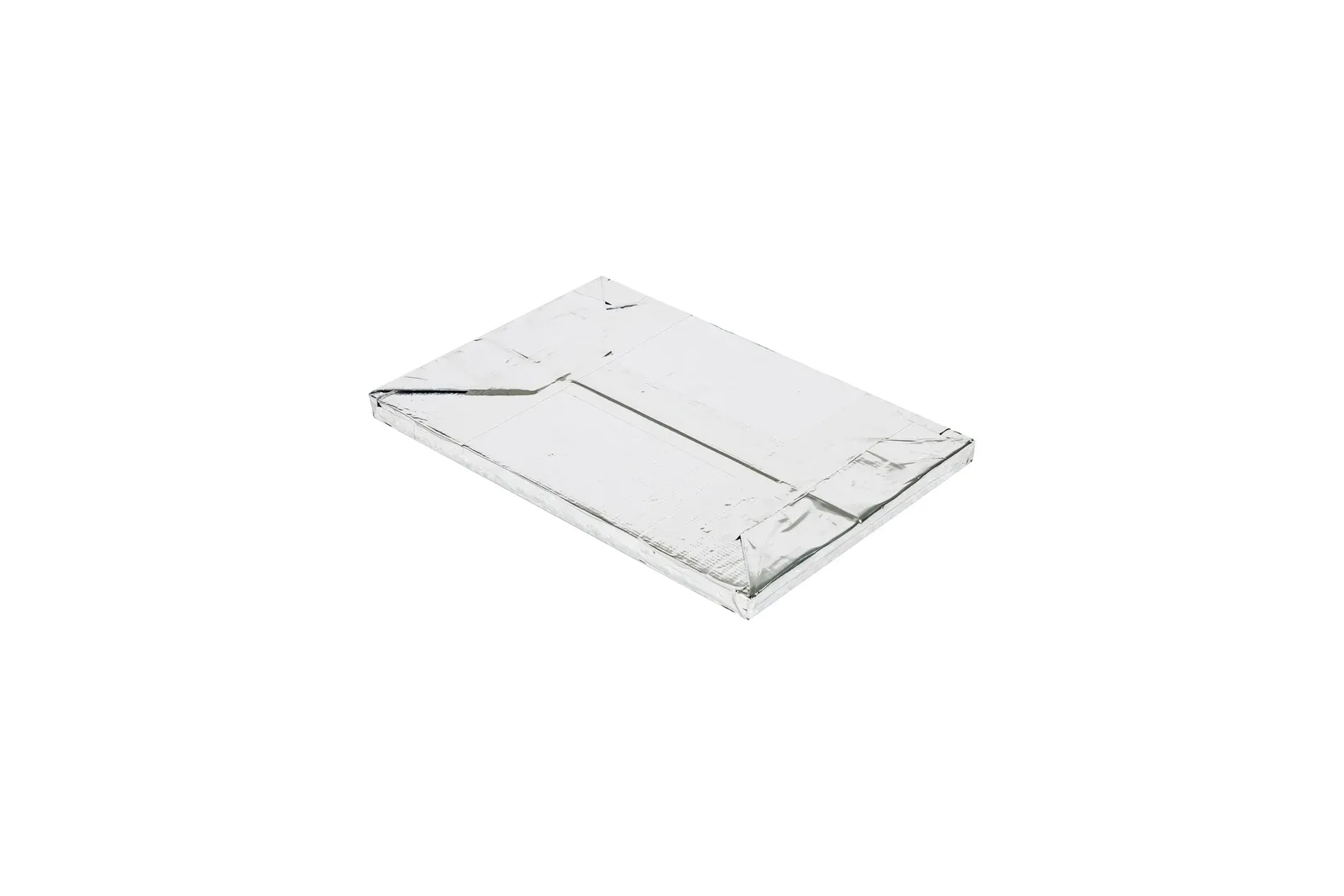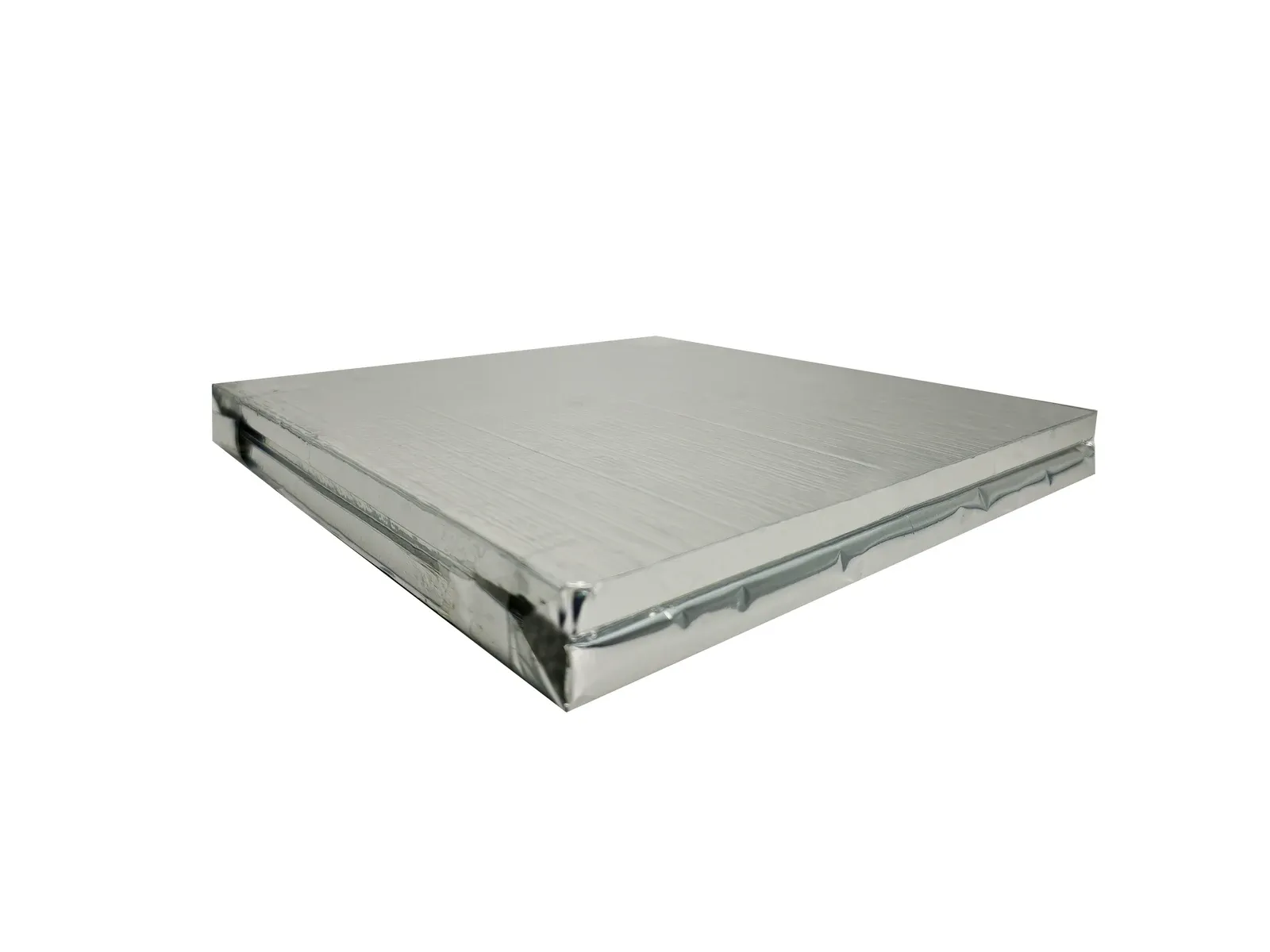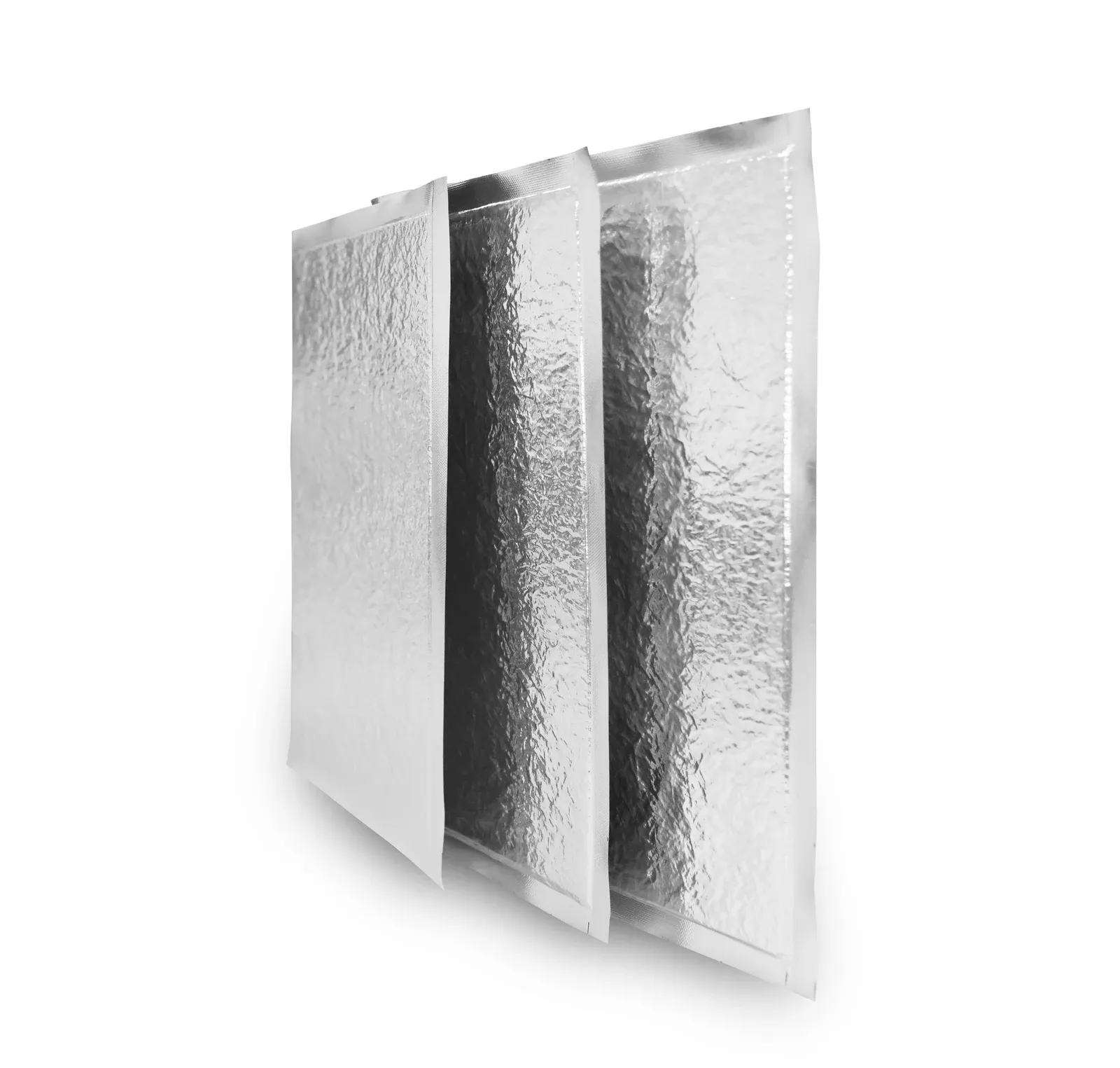
VAP Metal VIP
VAP brings metal-envelope configurations into the VIP range. Choose the shell and core-code combination first, then confirm size, operating temperature and edge design. Aluminum-shell data and stainless-steel M-VIP data must not be interchanged.
Request a quote or sample- AL / ST
- M / W / F
- Stainless M-VIP: 2–40 mm
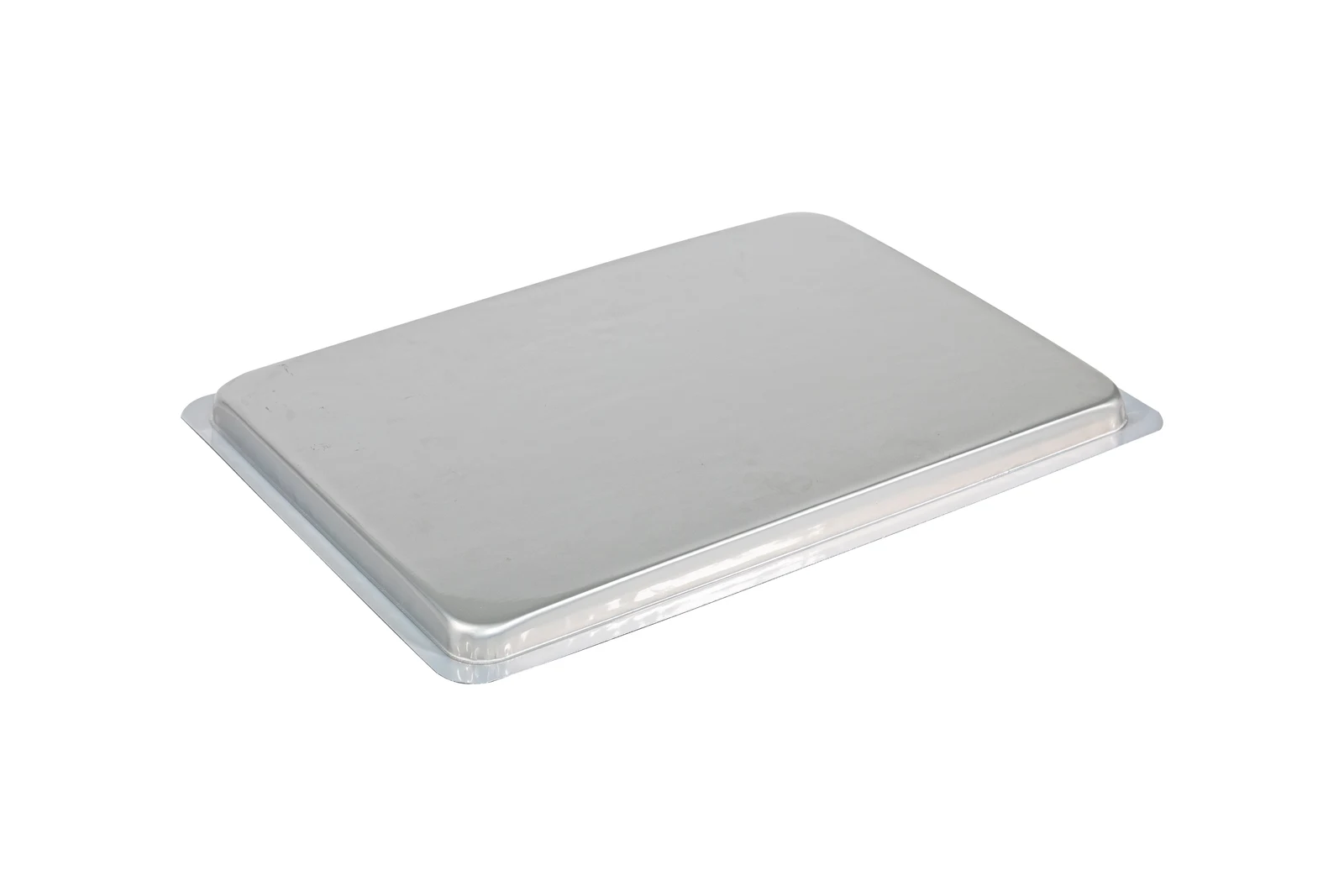
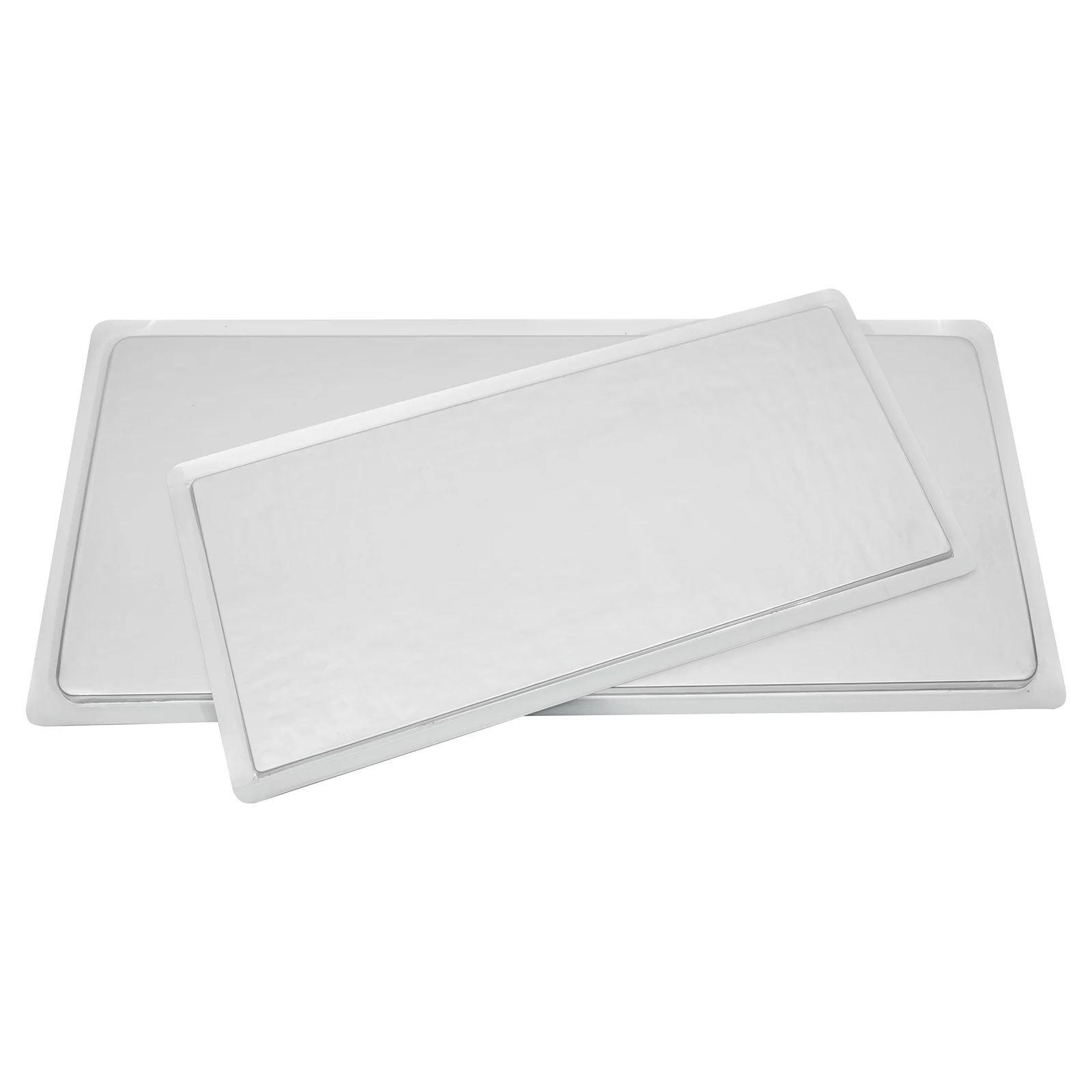
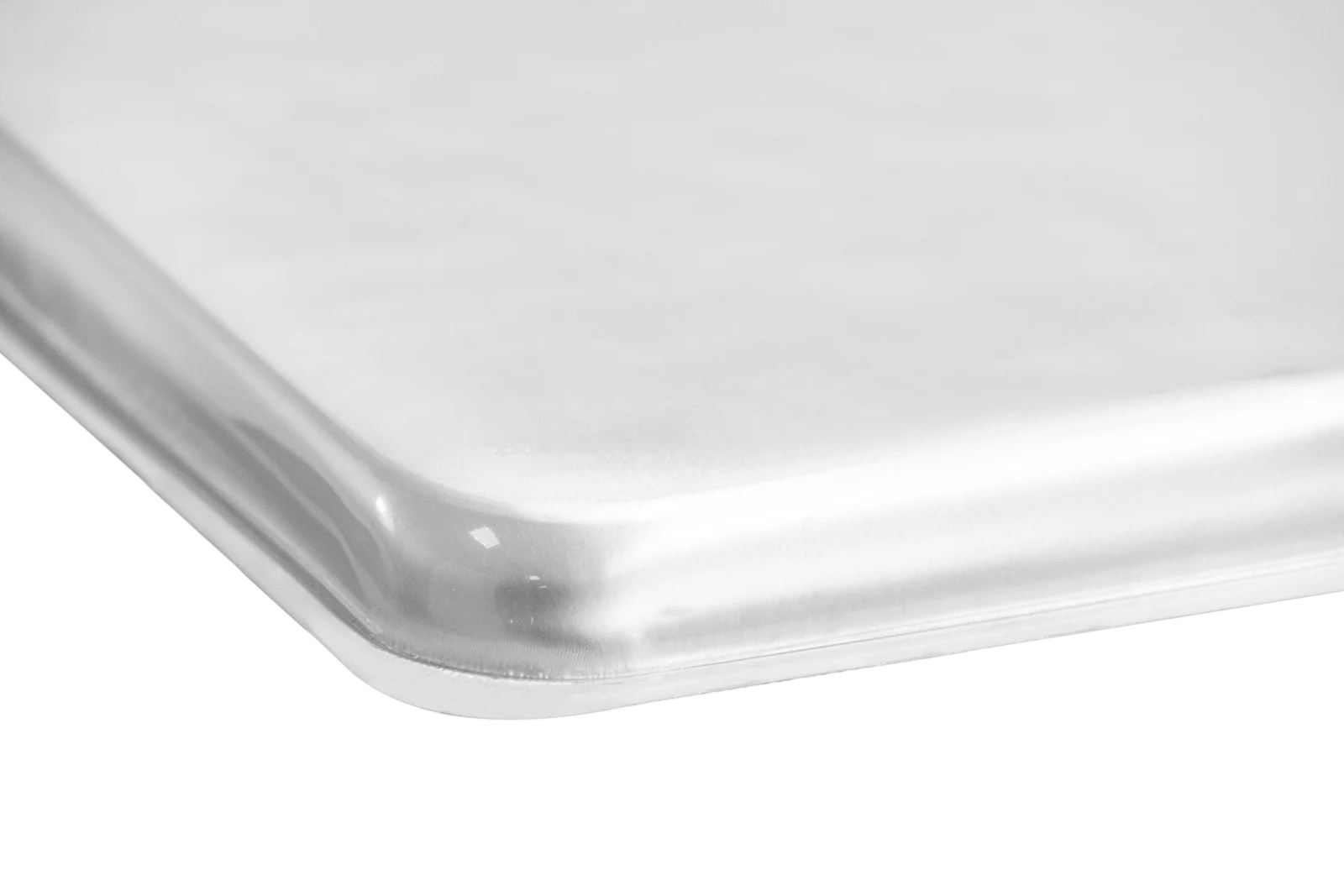
Aluminum-shell VAP
The aluminum-shell family has its own product geometry and M/W/F configuration codes. The available configuration catalogue does not provide a complete aluminum-model size, density, tolerance or operating-temperature table. These values are confirmed for the requested model, not borrowed from stainless M-VIP.
VAP configuration codes
The configuration catalogue lists the following core-code conductivity grades and shell combinations. M, W and F remain catalogue codes; a code alone does not establish core chemistry or high-temperature conductivity.
| Core code | Thermal conductivity λ | Aluminum / AL | Stainless steel / ST |
|---|---|---|---|
| M | 2.5–3.0 mW/(m·K) | VAP-M-AL | VAP-M-ST |
| W | 1.5–2.0 mW/(m·K) | VAP-W-AL | VAP-W-ST |
| F | ≤ 1.5 mW/(m·K) | VAP-F-AL | VAP-F-ST |
Stainless-steel M-VIP
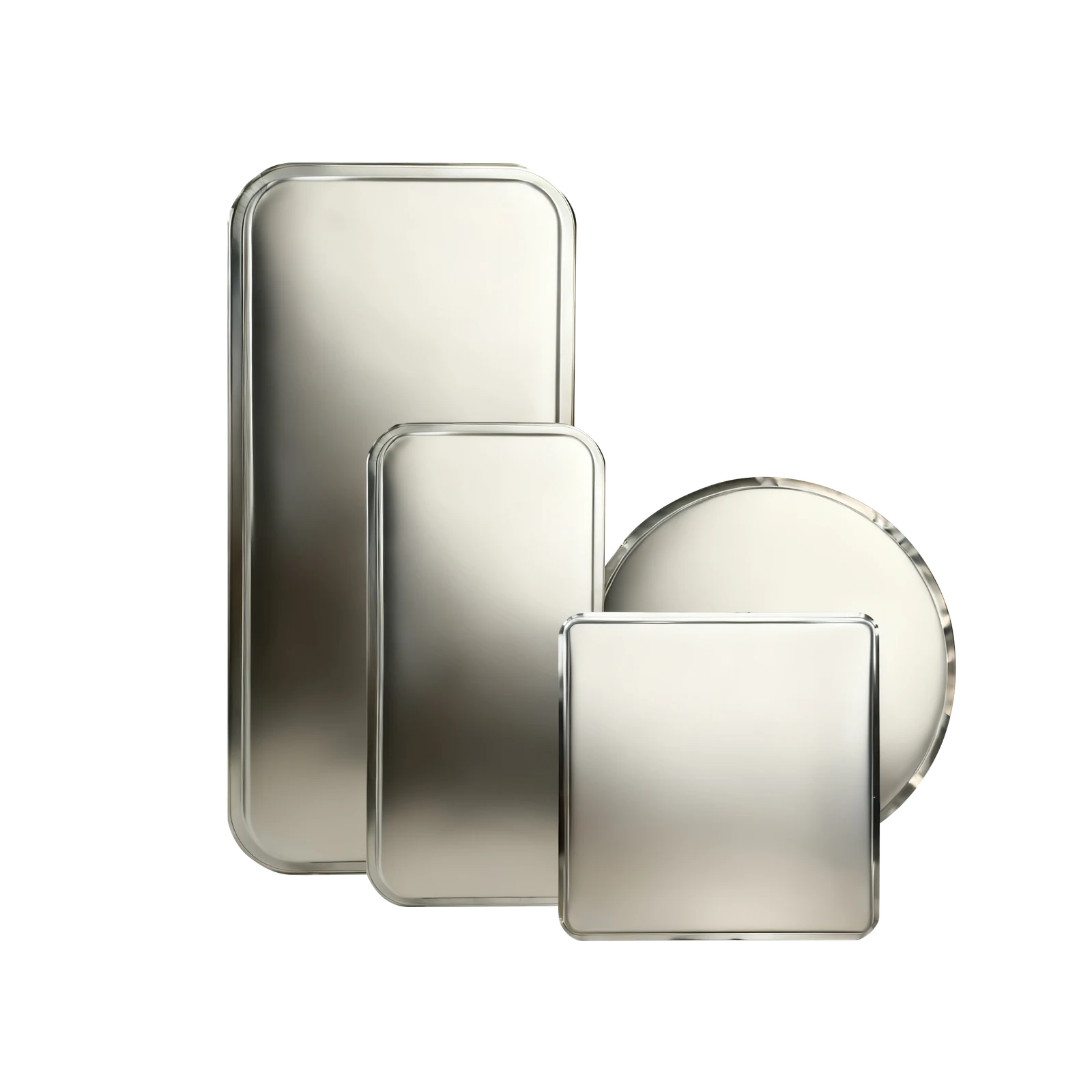
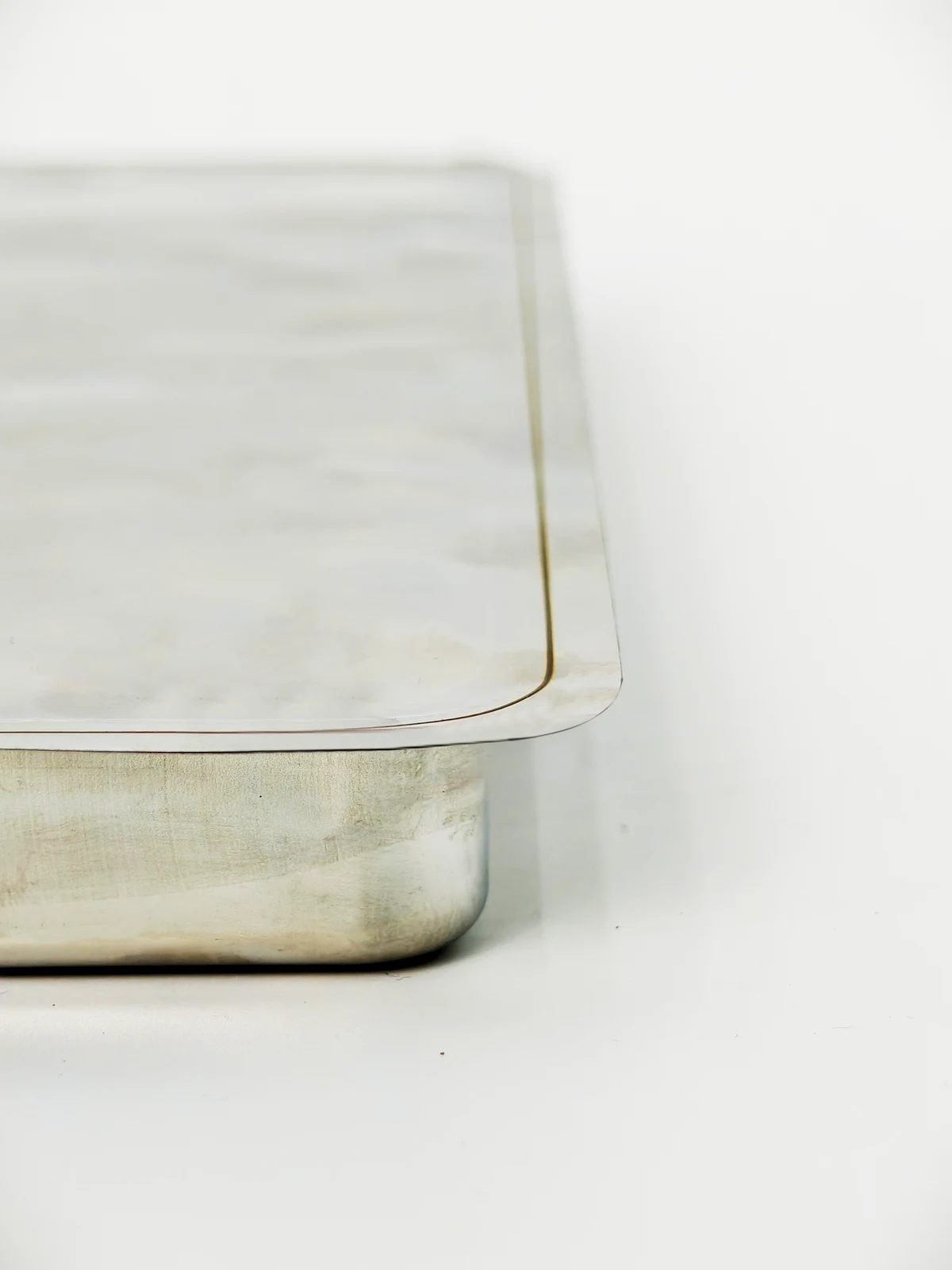
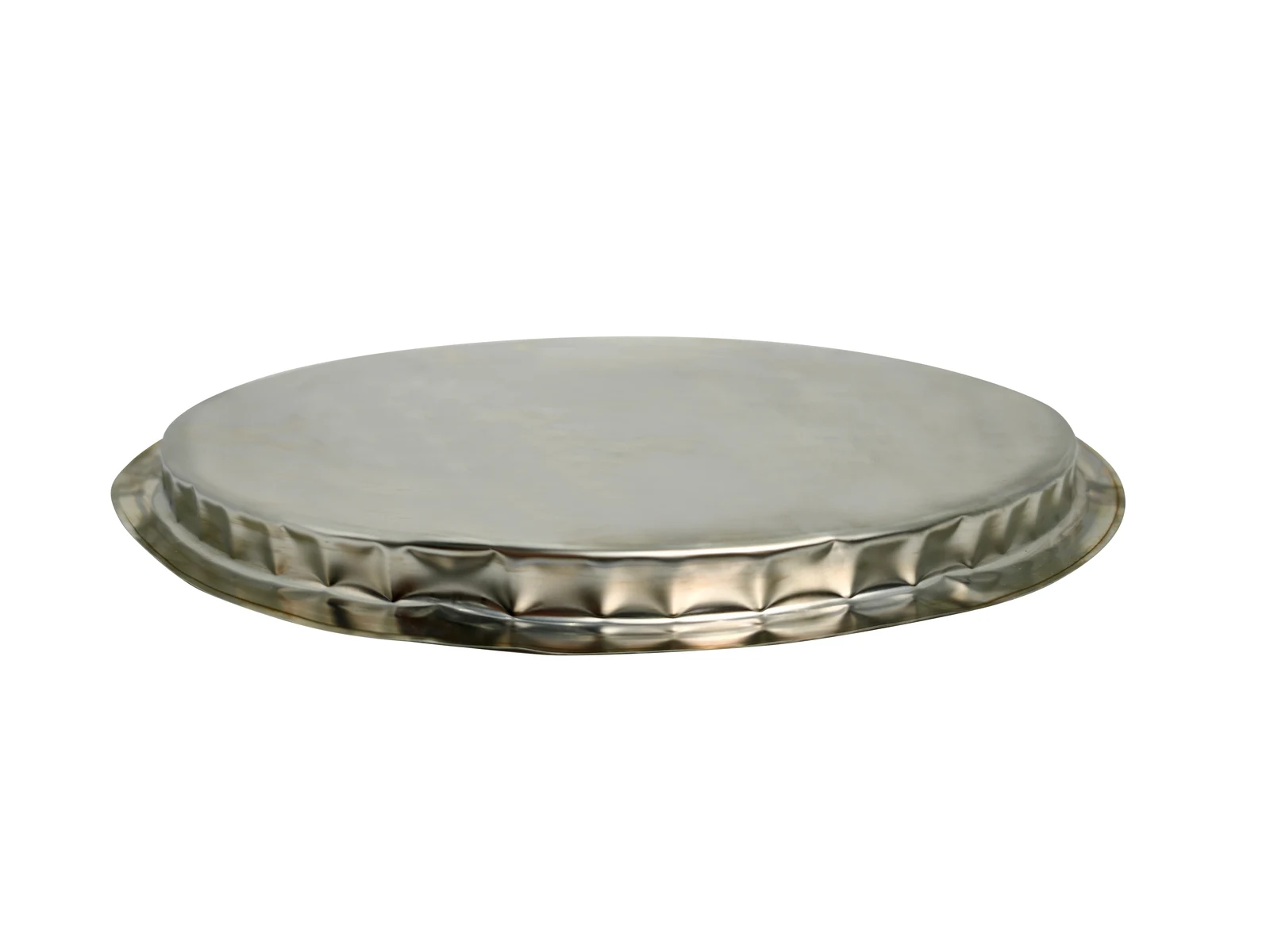
The stainless-steel product uses an evacuated inorganic core with a welded metal envelope. Rectangular and circular examples are shown here. The following data belong to the stainless M-VIP brochure configuration; they are not a blanket specification for every ST code in the matrix.
| Property | Specification |
|---|---|
| Thermal conductivity at 25°C | ≤ 2.0 mW/(m·K) |
| Thickness | 2–40 mm |
| Minimum / maximum panel size | 100 × 100 / 500 × 1000 mm |
| Bulk density | 250–420 kg/m³ |
| Areal mass at 10 mm | 2–5 kg/m² |
| Edge-sealing width | 5–15 mm |
| Recommended temperature range in brochure | −196 to +800°C |
| Leakage rate stated in brochure | < 10⁻¹⁰ Pa·m³/s |
The ≤2.0 mW/(m·K) value is at 25°C; do not use it across the full temperature range. Confirm temperature-dependent conductivity, exposure duration and the complete assembly for the application.
Specify shell, edges and operating conditions
Send the hot- and cold-side temperatures, continuous or cyclic duty, available thickness, dimensions and mechanical support. Include surface-coating or electrical-isolation requirements. Review edge heat transfer separately from center-panel performance for ovens, thermal equipment, building elements and battery applications.
Technical documents
Complete English PDF documents are available by email request.
- VAP Technical Overview (ST-TDS-VAP-01)
- Stainless Steel M-VIP (ST-TDS-SS-01)